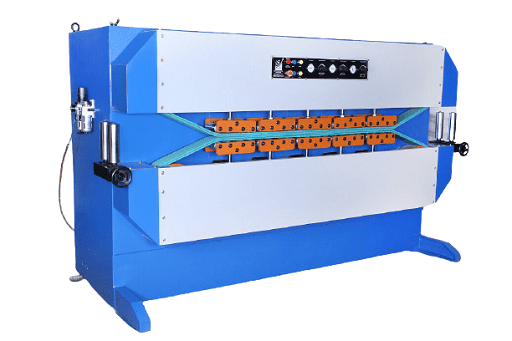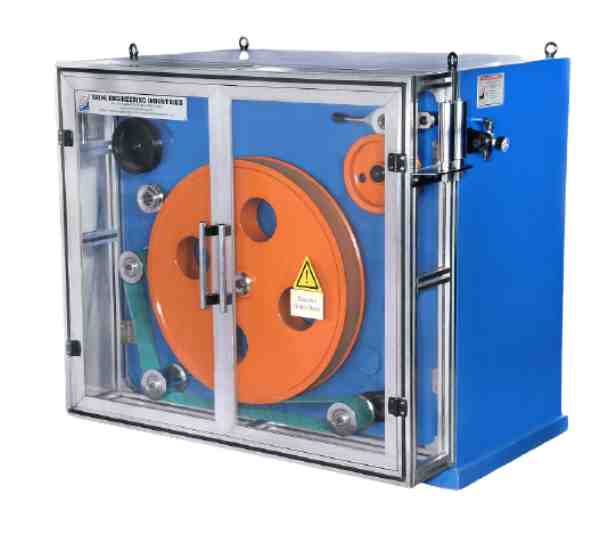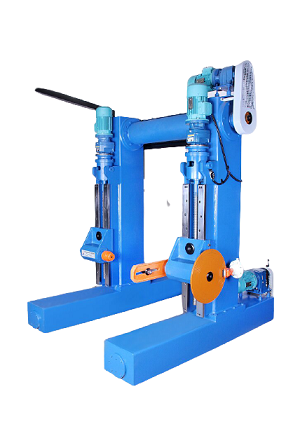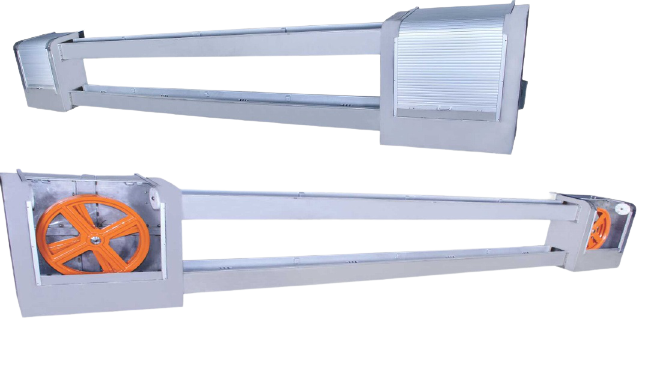
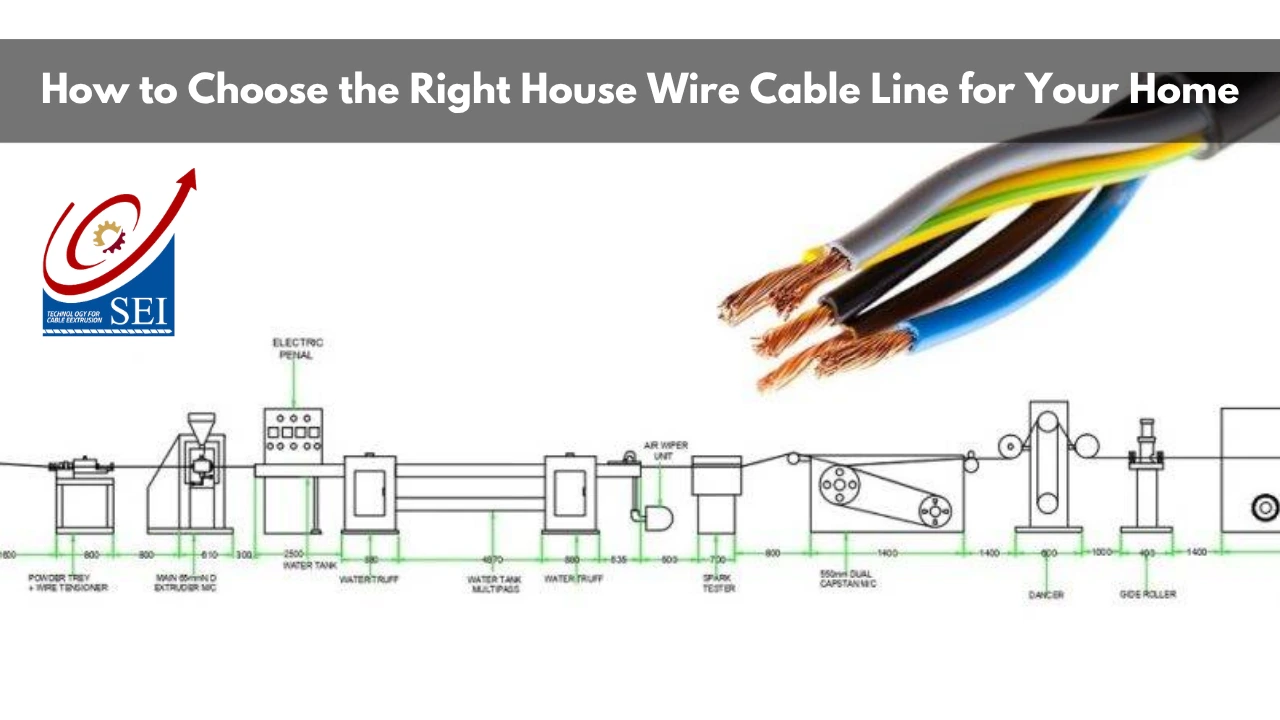
Homeowners need to make proper decisions between different House Wire Cable Line systems when they construct or update their residential properties. Your house wiring depends on electrical wiring because it establishes safety measures and operational efficiency, and ensures long-lasting performance. The best wire for home residential use requires assessment of three important factors, which include expenses and material strength, and compliance with safety regulations and building specifications.
Saini Engineering Industries provides essential help to customers who need to choose their electrical system components with full knowledge of their options. The guide will provide you with clear information about selecting the best wire for home, which includes important deciding factors and methods to establish long-lasting home electrical wiring.
Understanding the Importance of Quality House Wiring
Your home’s electrical system powers everything—from lighting and appliances to modern smart devices. Poor-quality wires can lead to voltage drops, overheating, and even fire hazards. That’s why investing in the best wire for house wiring is not an option—it’s a necessity.
Good wiring ensures:
- Consistent power supply
- Reduced risk of electrical faults
- Long-term durability
- Enhanced safety for your family
Types of Wires Used in House Wiring
Before deciding which wire is best for home, it’s important to understand the common types of wires used in residential setups:
1. Copper Wires
Copper is the most preferred material for house wiring due to its excellent conductivity and flexibility. It offers:
- High efficiency
- Low resistance
- Long lifespan
2. Aluminum Wires
Aluminum wires are lighter and more affordable but less conductive than copper. They are typically used in large-scale applications but are not always ideal for household use.
3. PVC Insulated Wires
These wires come with a protective PVC coating, making them resistant to moisture, heat, and chemicals. They are widely considered among the best wire for home installations.
Key Factors to Consider When Choosing House Wiring
Selecting the right cable requires careful evaluation. Here are some important factors:
1. Wire Size (Gauge)
The thickness of the wire determines how much current it can carry. Using the wrong size can cause overheating. Always choose the correct gauge based on your electrical load.
2. Insulation Quality
High-quality insulation protects against short circuits and leakage. Look for wires with flame-retardant and heat-resistant properties.
3. Load Capacity
Different appliances require different power loads. Ensure your wiring system can handle current and future electrical demands.
4. Durability
The best wire for house wiring should last for decades without degradation. Choose wires that are corrosion-resistant and robust.
5. Safety Standards
Always check whether the House Wire Cable Line meets industry safety standards and certifications. This ensures reliability and peace of mind.
Which Wire is Best for Home?
This is one of the most commonly asked questions: which wire is best for home?
The answer depends on your requirements, but in general:
- Copper wires with PVC insulation are considered the safest and most efficient
- FR (Flame Retardant) and FRLS (Flame Retardant Low Smoke) House Wire Cable Line are ideal for modern homes
- Multi-strand wires are more flexible and easier to install
If you want a long-lasting and safe solution, always go for premium-quality copper House Wire Cable Line with advanced insulation technology.
Which Company Wire is Best for House Wiring?
Another crucial question homeowners ask is: Which company wire is best for house wiring?
While many brands exist in the market, what truly matters is:
- Quality assurance
- Manufacturing standards
- Reliability and performance
Saini Engineering Industries specializes in providing House Wire Cable Line solutions that meet the wiring needs of contemporary residential spaces. Our products achieve operational excellence because we use precise manufacturing processes to create safe and durable equipment. Your electrical system will maintain safety during extended periods when you select a reliable manufacturer for your equipment.
Tips to Choose the Best Wire for Home
To make the right choice, keep these practical tips in mind:
- Always buy wires from a trusted and reputable manufacturer
- Check for ISI certification and safety standards
- Avoid low-cost wires as they may compromise safety
- Consult a professional electrician before installation
- Plan for future electrical needs, not just current usage
Common Mistakes to Avoid
Even with the best intentions, homeowners often make mistakes when selecting house wiring:
- Choosing wires based only on price
- Ignoring insulation quality
- Using an incorrect wire size
- Not considering long-term durability
Avoiding these mistakes can save you from costly repairs and potential hazards.
Why Quality Wiring is a Long-Term Investment
Investing in the best wire for home might seem expensive initially, but it pays off in the long run. High-quality wiring reduces maintenance costs, improves energy efficiency, and ensures safety for your loved ones.
Think of it as the foundation of your home’s electrical system—strong wiring means a stronger, safer home.
Final Thoughts
The process of selecting appropriate home electrical wiring requires careful consideration. The process requires complete attention to material selection, insulation methods, and load capacity design.
The best House Wire Cable Line solution depends on three factors, which include product quality, product reliability, and professional advice. The proper selection of home design solutions enables you to create a secure home that operates efficiently and meets future requirements.
We provide premium House Wire Cable Line solutions that help you construct safer residential spaces.