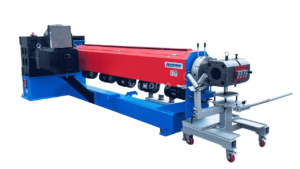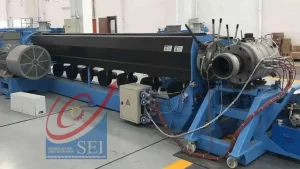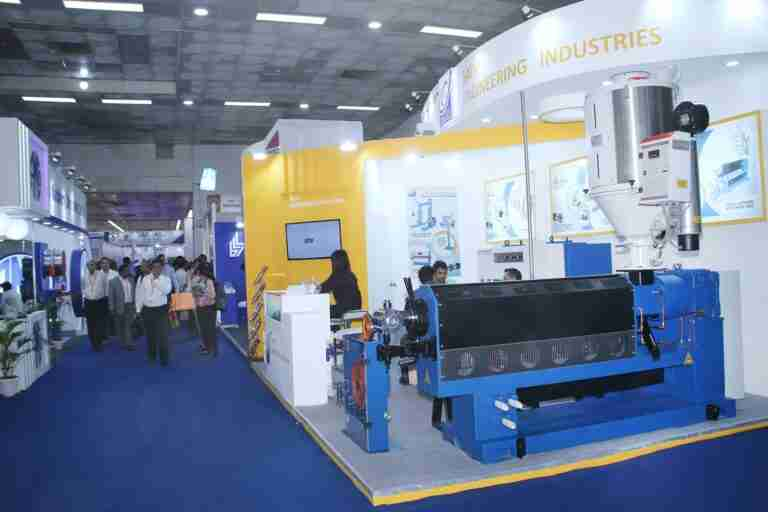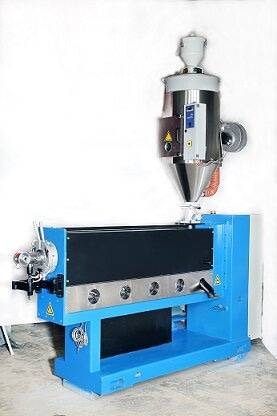
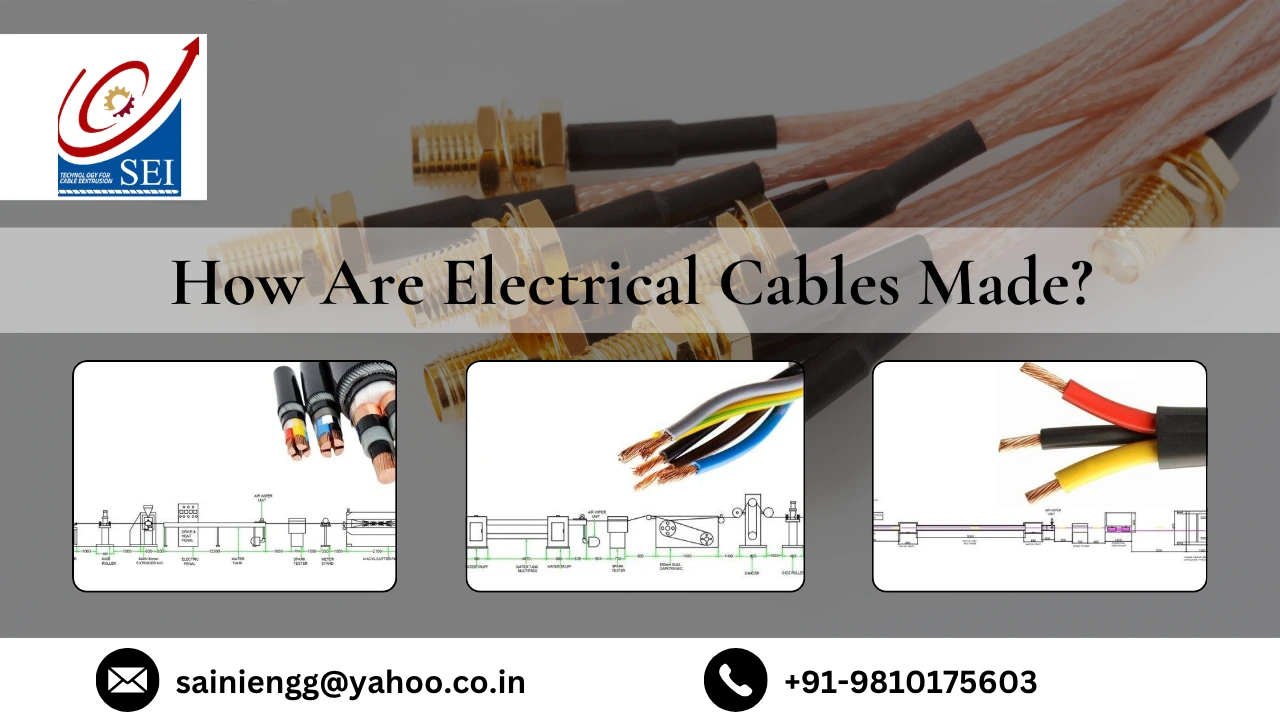
The electrical cables that operate throughout our cities, factories, and public works systems serve as hidden champions of contemporary society. The cable manufacturing process reveals the importance of these vital components through its detailed procedures. Saini Engineering Industries provides high-quality electrical cables, which we produce through our precise and effective wire production methods.
Our blog post will guide readers through the entire process of electrical cable production while documenting the technological components, material elements, and expert knowledge that contribute to product creation.
Raw Material Selection
The journey of a high-quality cable begins with the careful selection of raw materials. Electric wires most commonly use copper and aluminum as their conductors because both metals provide excellent electrical conductivity and high durability. The insulation materials that cable manufacturers use to protect their products from environmental damage and operational use are selected according to their specific temperature ratings and designated application needs.
At Saini Engineering Industries, we use only high-quality materials for our cable manufacturing, which ensures that our products will deliver dependable performance and secure operation.
Advanced Electrical Cables And Wires
The electrical cables and wires manufacturing process begins after manufacturers select their raw metal materials, which leads to the first step of wire drawing. The process begins with operators pulling thick metal rods through multiple dies, which results in reduced rod diameter and increased material strength and flexibility. The process enables wires to conduct electrical currents without breaking because of their ability to handle electrical loads.
The drawing process creates a better surface finish for the wire, which is essential for the upcoming insulation and stranding processes.
Stranding
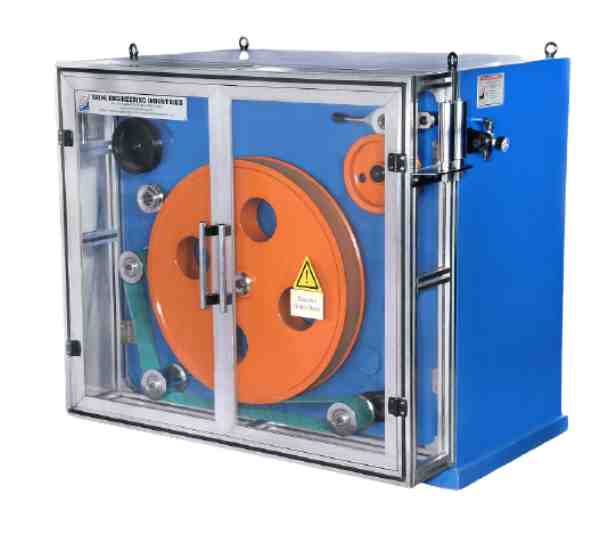
After drawing individual wires, workers combine them into strands through twisting. The process of stranding enables cables to achieve flexible movement characteristics while maintaining their ability to conduct electricity. Cables use either solid conductors, which consist of single wires, or stranded conductors, which contain multiple twisted wires, depending on their specific application requirements.
The cable manufacturing process depends on this step because it establishes the necessary conditions for cables to achieve the durability and flexibility needed in their designated applications.
Insulation and Jacketing
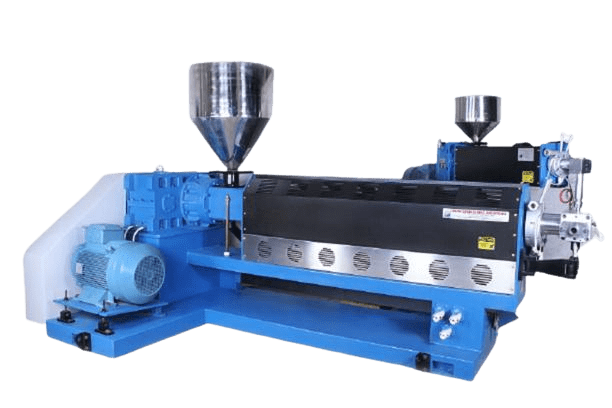
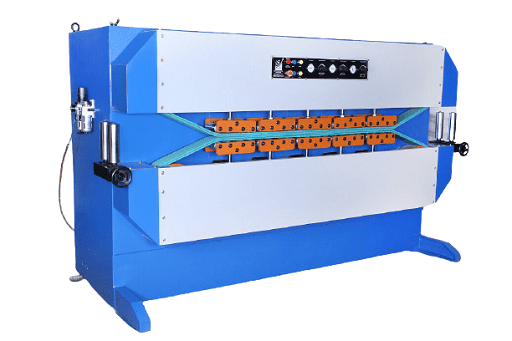
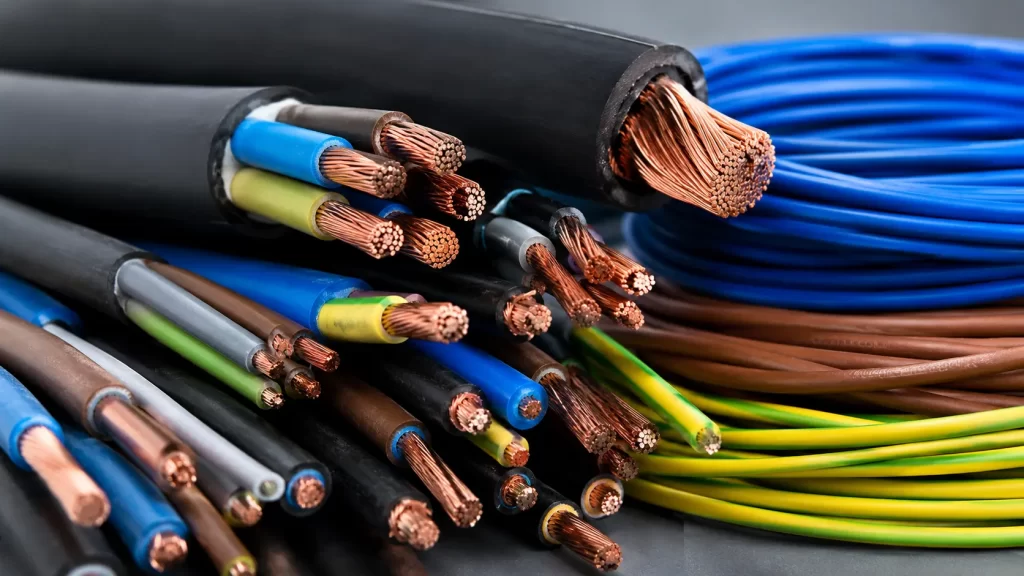
The next phase requires the conductor wires to receive their insulation. The insulation layer protects against both electrical leakage and short circuit risks while maintaining safe operational conditions. The controlled environment process uses PVC, XLPE, and rubber materials to create a complete insulation layer that encases the wires.
The protective outer jacket of cables provides defense against mechanical damage, moisture, chemical exposure, and environmental degradation after the insulation process. The selection process requires insulation and jacket material choices to match the specific industrial or residential use of the cable.
How Are Electrical Cables Made
In contemporary times, wires and cables form an integral part of energy transmission from power stations to consumers in homes, industries, machines, and communication devices. People wonder how wire is made and what the entire process entails for the fabrication of quality cables. The procedure is a series of operations involving raw materials, which are shaped into electrical cables using sophisticated equipment.
How are wires made? First, you have to know the materials used to make these wires. High-quality materials like copper and aluminum are selected based on their ability to conduct electricity and durability. Modern wire manufacturing processes entail melting down raw metal material and forming it into big rods, which are subsequently made into smaller rods.
Rod breakdown or wire drawing is the first wire manufacturing process. In this stage, metal rods are drawn through several drawing dies to reduce their thickness up to the required wire dimensions. The rod breakdown stage is critical for electric wire manufacturing since it directly impacts the physical properties of the wire, such as flexibility, conductivity, and durability. Lubricants and coolant systems are employed to enhance wire quality and prevent surface damage.
The third stage in wire manufacturing involves annealing. The annealing process is characterized by heating the wire, which allows it to be made softer and more flexible. The procedure is mandatory in cable making because it increases the ability of the wire to bend without damaging its integrity. Also, it increases the electrical conductivity and durability of the wire.
The last and most crucial stage of wire manufacturing includes insulation coating. Insulation is required to isolate the conducting wire and protect it from external environmental factors. Depending on the required specifications, cables may be coated using different insulators, including plasticized polyvinyl chloride (PVC), cross-linked polyethylene (XLPE), rubber, or polyethylene.
Armoring and Shielding
Outdoor and high-stress cable designs require extra protection through additional protective layers, which include armoring and shielding. Armoring normally requires the installation of steel wire protection, which secures insulated wires against physical damage, while shielding technologies decrease electromagnetic interference (EMI), which affects delicate electrical cable systems.
The cable manufacturing process reaches its essential stage because this process serves heavy industrial operations, power distribution systems, and data transmission needs.
Testing and Quality Assurance
Before a cable leaves the factory, it undergoes rigorous testing to ensure performance, safety, and compliance with international standards. Tests include:
- Insulation resistance testing
- High-voltage testing
- Flexibility and tensile strength tests
- Flame and heat resistance tests
At Saini Engineering Industries, every cable passes these tests, guaranteeing that our clients receive products they can trust.
Packaging and Delivery
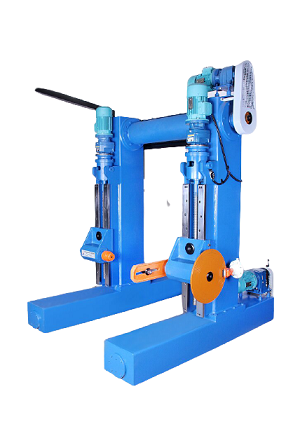
The final step involves winding the electrical cables onto reels or spools, which receive labels before delivery to customers. Proper packaging ensures that cables arrive in perfect condition, ready for installation in homes, offices, factories, or infrastructure projects.
Conclusion
Cable manufacturing requires skilled technicians who use advanced equipment to create products that meet strict testing standards. Every stage from wire drawing through insulation and stranding until testing completion enables manufacturers to create electrical cables that meet safety, reliability, and efficiency requirements.
Saini Engineering Industries provides electrical cable solutions through its superior cable products, which are made with expert craftsmanship and quality control methods. Our dedication to excellence guarantees that each cable we produce achieves top safety standards, long-lasting durability, and optimal performance.