The world currently depends on electricity, which requires power cables to ensure safe electricity transmission between different locations. Power cable selection needs to occur correctly for residential areas, industrial sites, and major construction projects because proper selection guarantees operational efficiency and maintenance safety. At Saini Engineering, we present a comprehensive guide that explains different power cable types through their characteristics, applications, and advantages in an easy-to-understand format.
What is Power Cable?
Before studying the various kinds of power system cables, it is necessary to define a power cable first. A power cable is an electrical cable that transmits and distributes electrical energy. The typical structure includes multiple conductors, insulation layers, protective sheathing, and optional armoring for enhanced protection.
Power cables serve multiple purposes because they connect everything from home electrical systems to industrial power equipment, which makes them essential for contemporary electrical networks.
Common Power Cable Types Used in Daily Life
Apart from industrial cables, there are everyday power cable type options that we use regularly:
- Computer Power Cable Type: Used to connect computers and electronic devices to power sources
- Power Cable Type C: Commonly used in modern electronics for charging and data transfer
- MI Power Cable Type C: Popular for smartphones and fast charging applications
These cables are designed for convenience, compatibility, and safety in daily usage.
Features of Power Cables
Each power cable type comes with unique features that make it suitable for specific applications:
- High Conductivity: Ensures efficient power transmission
- Durable Insulation: Protects against electrical leakage and shocks
- Heat Resistance: Suitable for high-temperature environments
- Flexibility: Easy to install and manage
- Weather Resistance: Ideal for outdoor and underground use
LT Cable Full Form and Explanation
The LT cable full form is Low Tension Cable. These cables are used for low-voltage applications, generally up to 1 kV (1000 volts). LT cables are commonly installed in residential buildings, commercial complexes, street lighting systems, and small to medium industries.
Low Tension cables are manufactured using high-quality copper or aluminum conductors and insulated with PVC or XLPE materials. The insulation protects the conductor from moisture, heat, and short circuits. In many cases, LT cables are available in armored and unarmored versions. Armored LT cables are used in underground installations where additional mechanical protection is required.
The main benefits of LT cables include safe power distribution, cost-effectiveness, easy installation, and long service life. They are ideal for everyday electrical supply needs.
Types of Power Cables in Electrical Systems
Electrical systems use different types of cables depending on voltage level, environment, and application. Below are the main types explained in detail:
1. Low Tension (LT) Cables
Low Tension cables are designed for distributing electricity at low voltage levels. These cables are widely used in homes, offices, and small industries. They are easy to install and maintain. Because they operate at lower voltage, they require moderate insulation thickness. LT cables ensure safe and efficient power supply for lighting, appliances, and machinery.
Cable standards define important factors such as insulation type, voltage rating, fire resistance, mechanical strength, and testing requirements. Compliance with these standards not only guarantees safe electrical installations but also ensures that cables meet regulatory requirements across different regions.
IEC 60502-1 – International standard for power cables (1 kV–3 kV) with extruded insulation, ensuring safe design and consistent performance worldwide.
BS 5467 – British Standard for XLPE insulated, steel wire armoured cables with PVC sheath, used in indoor, outdoor, and underground fixed installations.
BS 6724 – Similar to BS 5467 but with LSZH sheath, designed for public buildings where low smoke and fire safety are critical.
UL 44 & UL 83 – U.S. standards for building wires like THHN, THWN, and XHHW, ensuring flame resistance, temperature durability, and moisture protection.
2. High Tension (HT) Cables
High Tension cables are used for transmitting electricity at higher voltage levels, usually above 1 kV and up to 33 kV or more. These cables are commonly installed in industrial plants, power stations, and large infrastructure projects.
HT cables are designed with thicker insulation layers to handle high electrical stress. They often use XLPE insulation due to its excellent thermal and electrical properties. These cables reduce power loss during long-distance transmission and support heavy electrical loads. Because of their strength and durability, HT cables are suitable for demanding industrial environments.
3. PVC Insulated Cables
PVC (Polyvinyl Chloride) insulated cables are one of the most commonly used cable types in residential and commercial wiring. PVC provides good insulation, flexibility, and resistance to moisture and chemicals.
These cables are ideal for indoor wiring, light-duty industrial applications, and electrical appliances. They are affordable, easy to handle, and suitable for moderate temperature conditions. However, their heat resistance is lower compared to XLPE cables.
4. XLPE Cables
XLPE stands for Cross-Linked Polyethylene. XLPE cables are known for their superior electrical and thermal performance. They can withstand higher temperatures and carry more current compared to PVC cables.
These cables are widely used in underground installations, industrial power distribution, and high-load applications. XLPE insulation provides excellent resistance to moisture, chemicals, and environmental stress. Because of their durability and high efficiency, XLPE cables have a longer lifespan and require less maintenance.
5. Armored Cables
Armored cables have an additional protective layer made of steel wire or steel tape. This protective layer shields the cable from mechanical damage, physical impact, and external pressure.
Armored cables are commonly used in outdoor and underground installations where cables are exposed to harsh conditions. They provide extra safety and durability, making them suitable for industrial areas and construction sites.
6. Unarmored Cables
Unarmored cables do not have the additional steel protection layer. They are generally used in indoor applications where there is less risk of mechanical damage.
These cables are lighter, more flexible, and easier to install. They are commonly used in control panels, switchboards, and internal building wiring systems.
7. Flexible Cables
Flexible cables are specially designed for applications where frequent movement or bending is required. They are made with multiple fine copper strands, which make them highly flexible.
These cables are used in portable electrical tools, machinery, equipment, and appliances. Their flexibility reduces the chances of conductor breakage and increases the lifespan of moving electrical systems.
Uses of Power Cables
The wide range of types of power cables makes them suitable for various applications:
- Residential wiring and electrical connections
- Industrial machinery and heavy equipment
- Power transmission and distribution networks
- Renewable energy systems like solar and wind
- Electronic devices and charging systems
Key Features of Quality Power Cables
High-quality power cables offer several important features:
- High electrical conductivity
- Strong and reliable insulation
- Heat and moisture resistance
- Fire safety compliance
- Long service life
- Resistance to mechanical stress
These features ensure a safe and uninterrupted power supply.
Benefits of Choosing the Right Power Cable
Selecting the correct types of power cables in electrical systems offers several advantages:
1. Enhanced Safety
Proper insulation and design reduce the risk of electrical hazards.
2. Improved Efficiency
High-quality cables minimize energy loss during transmission.
3. Long Service Life
Durable materials ensure longevity and reliability.
4. Cost-Effective
The right cable selection reduces maintenance and replacement costs.
5. Better Performance
Optimized cable types improve overall system performance.
Benefits of Using the Right Power Cable
Using the correct type of cable provides many advantages:
- Improved safety and reduced risk of short circuits
- Efficient power transmission with minimal loss
- Lower maintenance costs
- Long-term reliability
- Better performance in different environmental conditions
Choosing the wrong cable type may lead to overheating, voltage drop, and safety hazards.
Why Choose Saini Engineering?
Saini Engineering provides dependable electrical solutions that maintain high standards of quality throughout our entire service range. Our expertise in understanding different types of cables in power systems ensures that you get the right guidance and products for your applications.
Our company helps customers select suitable power cable types through our expertise in three key areas: durability testing, efficiency assessment, and safety evaluation.
Type of Power Cable
A power cable is an electrical cable designed to transmit and distribute electrical energy from one point to another safely and efficiently. The power cable definition describes a typical power cable that contains multiple conductors and insulation layers, protective sheathing, and sometimes uses armoring to provide mechanical protection. These cables serve as the primary power distribution system in residential, commercial, and industrial settings because they provide dependable energy delivery.
The correct cable selection process requires knowledge about the voltage requirements, load capacity, environmental factors, and installation techniques. The correct cable selection for power systems requires knowledge about different cable types used in transmission and distribution, and internal wiring. Power cables serve two main functions: protecting electrical systems from hazards and preventing energy waste. The development of new materials and design solutions has improved the durability, heat resistance, and performance of modern cables. Power cables function as critical components that enable efficient energy transmission through both underground and overhead systems. The installation process, together with proper maintenance procedures, increases their operational duration and operational dependability.
Saini Engineering – Reliable Cable and Wire
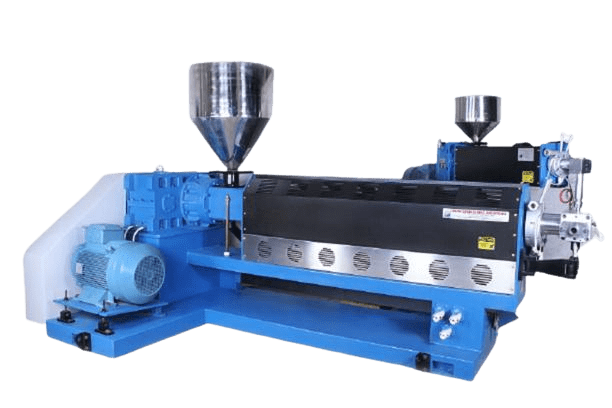
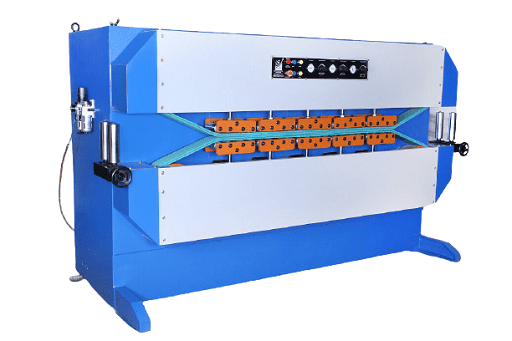
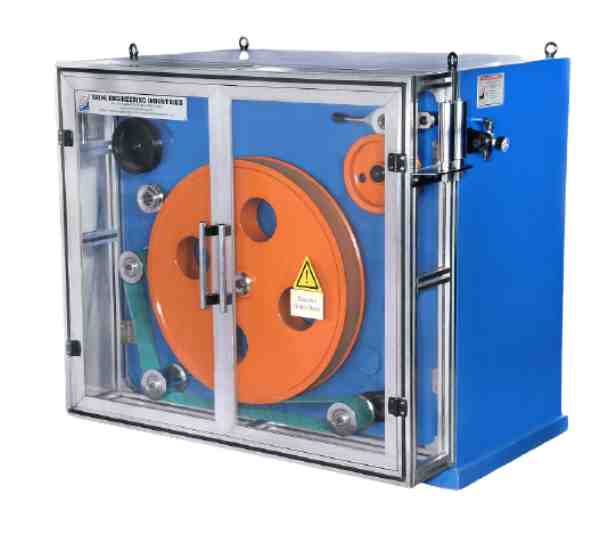
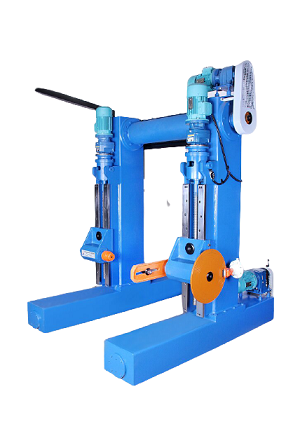
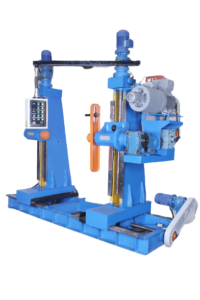
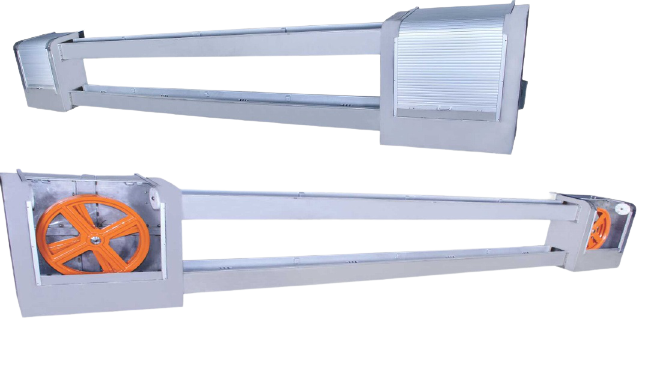
Saini Engineering, a trusted Cable and Wire Making Machine Manufacturer and Power Cable Plant Manufacturer, provides modern and efficient machinery solutions for producing high-quality power cables. With a focus on innovation, durability, and performance, we support cable manufacturers in meeting international standards and delivering reliable products for residential, commercial, and industrial applications.
Conclusion
Selecting the right power cable is crucial for ensuring safety, efficiency, and long-term reliability in any electrical system. Each cable type—whether LT, HT, PVC, XLPE, armored, or unarmored—offers specific features and benefits suited to different applications and environments. A proper understanding of these cable types helps in making informed decisions for residential, commercial, and industrial projects.
Behind every high-quality cable is advanced manufacturing technology. Saini Engineering, a reputed Wire Making Machine Manufacturer and Power Cable Plant Manufacturer, provides modern and efficient machinery that supports the production of reliable, high-performance power cables meeting industry standards.
The process of selecting electrical installation components requires knowledge about power cables and different power cable types. Each cable used in industrial systems and common devices, such as computer power cables and power cable type C, serves a specific function.
The combination of expert support from Saini Engineering and your obtained knowledge will enable you to create safe electrical solutions which operate efficiently while maintaining their operational lifespan.