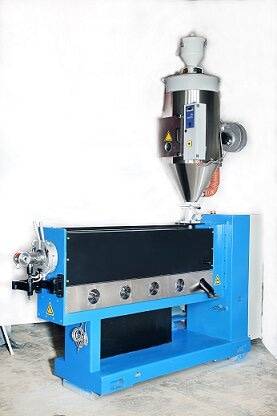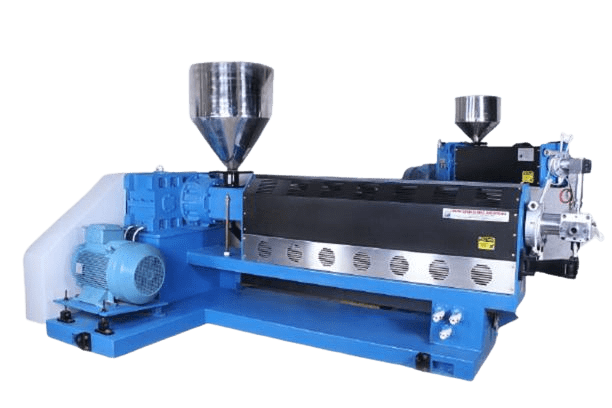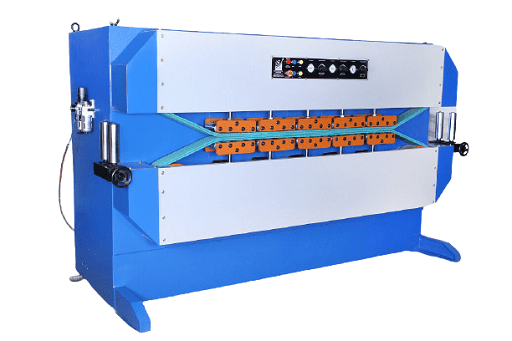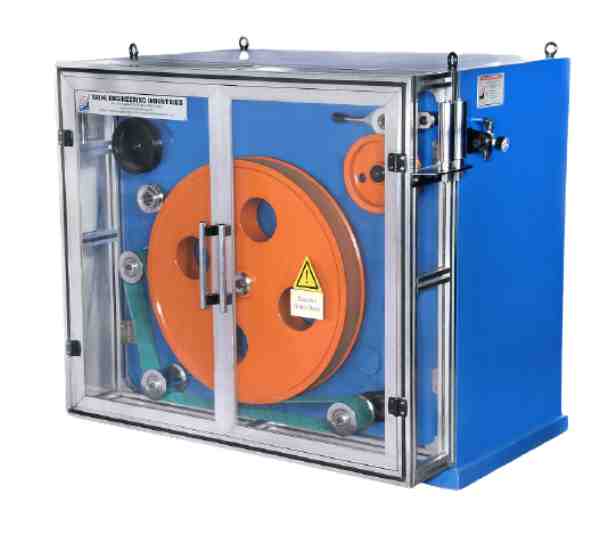
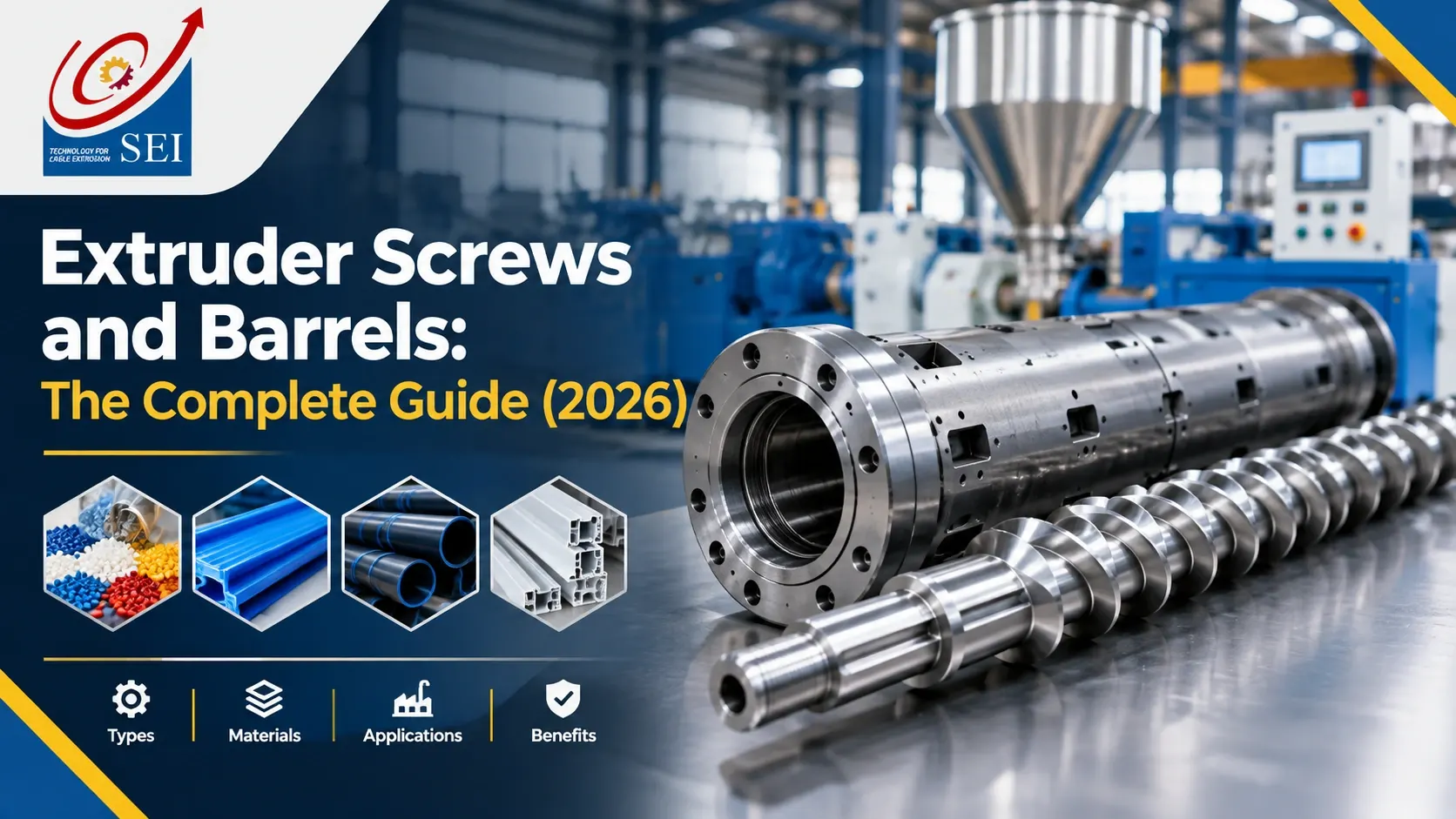
The performance of any extrusion machine relies heavily on the high quality, superior design, and optimal engineering of its internal components. Among these, the extruder screws and barrels play a pivotal role in ensuring smooth material processing, consistent output, and sustained production capabilities. Whether in plastic manufacturing, rubber processing, or recycling, well-designed extruder screws and barrels can significantly enhance product quality and minimize operational issues.
As of 2026, manufacturers are increasingly focusing on advanced materials, wear resistance, energy efficiency, and customized designs. High-quality extruder barrels and screws are no longer viewed merely as standard machine parts; they are critical components that directly influence production capacity, material flow, melt quality, and overall machine performance. This comprehensive guide provides all the essential information regarding extruder screws and barrels—covering their working principles, types, materials, benefits, applications, maintenance, and selection criteria.
What Are Extruder Screws and Barrels?
The extruder screws and barrels are the essential mechanical parts in extrusion machines which help process the raw material into continuous and homogeneous shapes. The screw is placed inside the barrel, and the movement of the screw helps move the material forward through various stages of processing. This process involves moving, compressing, mixing, heating, and processing of the material to produce a desired shape.
A good-quality extruder screw barrel has a proper size and material that can resist pressure, temperature, wear and tear, and continuous operation. There is coordination between the screw and barrel that is an important factor in extrusion efficiency. At Saini Engineering, we understand the needs of the industries and offer engineering solutions for them.
How Do Extruder Screws and Barrels Work?
The basic mechanism of extruder screws and barrels lies in the principle of controlled motion and processing of the material. The raw material is supplied into the extrusion system using the hopper, and from there the rotating screw starts moving the material towards the front in the extruder barrel. The material gains pressure and heat as it passes through the barrel.
The extruder screw and barrel system that is specially designed makes sure that the material gets mixed, melted, compressed, and made homogeneous. The material thus processed moves towards the die in which it acquires its desired form. The design of screw flights and barrel surface decides how well the whole extrusion process will go.
Main Components of an Extruder Screw Barrel
There are many parts in the extruder screw barrel, each playing an equally significant role in ensuring that the process is done smoothly. All the parts have to be precisely designed, since any variation will lead to changes in pressure, throughput, and even the quality of the finished product.
The following are the main parts that constitute an extruder screw and barrel: screw shaft, screw flights, barrel bore, feed zone, compression zone, metering zone, heater, and cooler.
1. Screw Shaft
The screw shaft forms the central structure of the extrusion screw. It provides strength and stability during rotation while supporting the screw flights. A properly manufactured shaft helps the extruder screw barrel operate smoothly under high pressure and continuous industrial conditions.
The quality of the shaft is particularly important in heavy-duty extrusion applications. A strong and accurately machined shaft reduces vibration and improves the overall reliability of extruder screws and barrels during long production cycles.
2. Screw Flights
Screw flights are the helical structures located around the screw shaft. Their main function is to transport and process material inside the extruder barrel. The shape, depth, and pitch of the flights are carefully designed according to the material being processed.
Different materials require different flight designs. Therefore, customized extruder screw and barrel solutions can provide better material flow, improved mixing, and higher production efficiency for specific industrial applications.
3. Barrel
The barrel is the cylindrical housing in which the screw rotates. A high-quality extruder barrel must withstand continuous friction, pressure, and high temperatures. Its internal surface plays a major role in controlling the movement and processing of material.
Modern extruder barrels are manufactured using advanced materials and surface treatments to improve wear resistance. Proper barrel design helps maintain dimensional accuracy and ensures stable performance throughout the production process.
The Three Main Zones of an Extruder Screw
Most standard extruder screws and barrels are designed with three primary processing zones. Each zone performs a specific function and contributes to the overall efficiency of the extrusion process.
Understanding these zones is important when selecting an extruder screw barrel, as the design must match the material properties and production requirements.
Feed Zone
The feed zone is the first section of the screw where raw material enters the extruder barrel. Its main function is to receive and transport the material toward the next processing stage. The design of this zone helps ensure a steady and controlled flow of material.
Proper feeding is essential for consistent production. A well-designed extruder screw and barrel prevents irregular material movement and supports smooth processing from the beginning of the extrusion cycle.
Compression Zone
The compression zone is where the material begins to experience increased pressure. As the channel depth of the screw gradually decreases, the material is compressed, mixed, and heated. This process helps prepare the material for further processing.
In extruder screws and barrels, the compression ratio must be carefully selected according to the material. Incorrect compression can result in poor melting, uneven output, excessive pressure, or reduced product quality.
Metering Zone
The metering zone is the final processing section of the screw. Its main purpose is to create a uniform and consistent flow of processed material before it reaches the die. This zone plays an important role in maintaining product consistency.
A properly engineered extruder screw barrel ensures stable pressure and homogeneous material flow. This is particularly important for industries where dimensional accuracy and surface quality are essential.
Extruder Screws and Barrels Specifications
| Specification | Details |
|---|---|
| Product Name | Extruder Screws and Barrels |
| Also Known As | Extruder Screw Barrel |
| Screw Type | Single Screw, Twin Screw, Parallel Twin Screw, Conical Twin Screw |
| Barrel Type | Nitrided Barrel, Bimetallic Barrel |
| Screw Diameter | Customized as per machine and application |
| Diameter Range | Common industrial designs can vary widely depending on machine requirements |
| L/D Ratio | Commonly customized according to material and application |
| Screw Zones | Feed Zone, Compression Zone, Metering Zone |
| Material | High-Grade Alloy Steel / Nitrided Steel |
| Barrel Material | Alloy Steel with specialized wear-resistant treatment |
| Surface Treatment | Nitriding, Hard Facing, Bimetallic Treatment |
| Surface Hardness | Customized according to material and wear requirements |
| Wear Resistance | High, depending on material and surface treatment |
| Corrosion Resistance | Available for corrosive material applications |
| Screw Design | Standard or Customized |
| Flight Design | Single Flight, Double Flight, Customized Profile |
| Compression Ratio | Customized according to polymer and processing requirements |
| Pitch | Customized as per screw design |
| Heating Compatibility | Suitable for controlled heating zones |
| Cooling Compatibility | Available as per barrel and machine design |
| Processing Materials | PVC, PE, PP, HDPE, ABS, Rubber and Recycled Plastic |
| Applications | Plastic Extrusion, Pipe Manufacturing, Profile Extrusion, Film, Sheet and Recycling |
| Manufacturing Process | Precision Machining, Grinding and Surface Treatment |
| Dimensional Accuracy | High precision, based on machine requirements |
| Operating Condition | Designed for high temperature and pressure applications |
| Customization | Available as per drawing, sample, machine model and material |
| Service Life | Depends on material, operating conditions, wear resistance and maintenance |
Types of Extruder Screws and Barrels
Different industries require different types of extruder screws and barrels depending on material characteristics, production capacity, and machine design. Selecting the correct type can improve output, reduce material wastage, and increase component life.
Modern extruder barrels and screws are available in various configurations to meet specific extrusion requirements.
Single Screw Extruder
Single screw systems are among the most commonly used extruder screws and barrels in the manufacturing industry. They are widely used for processing plastics, polymers, rubber, and other materials. Their simple design makes them reliable and easy to maintain.
A single extruder screw and barrel is suitable for applications where continuous and consistent material processing is required. The screw design can also be customized based on the type of polymer or material being processed.
Twin Screw Extruder
Twin screw systems use two screws operating inside specially designed extruder barrels. These systems provide better mixing, higher processing flexibility, and improved control over complex materials.
Twin extruder screws and barrels are commonly used for compounding, masterbatch production, PVC processing, food processing, and other applications requiring advanced mixing and material distribution.
Parallel Twin Screw
Parallel twin screw systems feature two screws arranged side by side with a consistent distance between them. These extruder screws and barrels are designed for applications that require efficient mixing and controlled material processing.
They are often selected for demanding manufacturing operations where high productivity and precise processing conditions are necessary.
Conical Twin Screw
Conical twin screw systems use screws with varying diameters. This design provides improved feeding and compression characteristics. Conical extruder screw barrel systems are commonly used in PVC extrusion and similar applications.
The unique design helps achieve effective material processing while maintaining stable pressure and output. High-quality extruder barrels are essential for maintaining the accuracy and durability of these systems.
Materials Used for Extruder Screws and Barrels
The material used for manufacturing extruder screws and barrels plays a major role in their performance and service life. These components operate under extreme conditions involving friction, pressure, temperature, and abrasive materials.
High-quality extruder barrels are commonly manufactured using specially selected alloy steels and advanced metallurgical processes. Material selection depends on the application, processing temperature, and type of raw material.
Nitrided Steel
Nitrided steel is widely used in extruder screw barrel manufacturing because it provides improved surface hardness and wear resistance. The nitriding process creates a hard outer surface while maintaining the strength of the internal structure.
This material is suitable for many standard extrusion applications. Properly manufactured nitrided extruder screws and barrels can provide reliable performance and a longer operational life.
Bimetallic Barrels
Bimetallic extruder barrels are designed for demanding applications involving highly abrasive or corrosive materials. These barrels feature a specially engineered inner layer that offers superior wear resistance.
Bimetallic technology can significantly extend the life of an extruder screw and barrel. It is particularly useful for industries processing filled plastics, recycled materials, reinforced compounds, and abrasive polymers.
Alloy Steel
Alloy steel provides excellent mechanical strength and durability. It is commonly used for manufacturing heavy-duty extruder screws and barrels that operate under high pressure and temperature conditions.
The right alloy composition helps improve resistance to deformation, wear, and mechanical stress. This makes alloy steel an important material for industrial-grade extruder screw barrel applications.
Why Are High-Quality Extruder Screws and Barrels Important?
The quality of extruder screws and barrels directly influences the productivity and profitability of an extrusion operation. Poorly manufactured components can cause uneven material flow, excessive energy consumption, product defects, and frequent machine downtime.
A precisely manufactured extruder screw and barrel improves production stability and helps manufacturers maintain consistent product quality. Investing in durable and properly engineered components can reduce maintenance costs and improve long-term operational efficiency.
Key Benefits Include:
- Improved material flow and processing
- Better mixing and homogenization
- Consistent production output
- Reduced material wastage
- Enhanced product quality
- Increased machine efficiency
- Improved wear resistance
- Longer service life
- Reduced maintenance requirements
- Better pressure and temperature control
- Lower risk of unexpected downtime
- Customized performance for different materials
High-performance extruder barrels also help maintain the correct clearance between the screw and barrel. This clearance is extremely important because excessive wear can reduce pressure generation and negatively affect production.
Applications of Extruder Screws and Barrels
Extruder screws and barrels are used across a wide range of manufacturing industries. Their versatility allows them to process different materials while maintaining continuous production and controlled output.
The design of the extruder screw barrel depends on the specific application, material characteristics, temperature requirements, and production capacity.
Plastic Processing Industry
The plastic industry is one of the largest users of extruder screws and barrels. These components are used for manufacturing pipes, sheets, films, profiles, granules, and many other plastic products.
A high-quality extruder screw and barrel helps achieve uniform melting and consistent material flow, which is essential for producing high-quality plastic products.
PVC Industry
PVC processing requires specially designed extruder screws and barrels because the material has unique processing characteristics. Proper temperature control and mixing are essential for maintaining product quality.
Specialized extruder barrels help ensure controlled processing and reduce the risk of material degradation during production.
Rubber Industry
Rubber extrusion also depends on efficient extruder screws and barrels for mixing and transporting material. These systems are used to manufacture rubber profiles, seals, hoses, and other industrial products.
The screw design must provide controlled compression and consistent material flow. A customized extruder screw barrel can improve productivity and product consistency.
Recycling Industry
Plastic recycling often involves abrasive and contaminated materials. Therefore, durable extruder barrels and wear-resistant screws are essential for maintaining long-term performance.
High-quality extruder screws and barrels can help recycling manufacturers process materials efficiently while reducing component wear and maintenance frequency.
Pipe Manufacturing
Pipe extrusion requires precise control over material flow and pressure. The extruder screw and barrel must provide stable and consistent output to ensure uniform pipe dimensions.
Properly engineered extruder screws and barrels help manufacturers produce pipes with improved surface finish, strength, and dimensional accuracy.
Profile and Sheet Manufacturing
Plastic profiles and sheets require uniform material distribution. A reliable extruder barrel and accurately designed screw help maintain stable processing conditions throughout production.
The right extruder screw barrel contributes to better product quality, reduced defects, and improved manufacturing efficiency.
How to Choose the Right Extruder Screw and Barrel?
Selecting the right extruder screws and barrels requires careful consideration of several technical factors. There is no single design suitable for every material and application.
Manufacturers should evaluate their raw materials, production requirements, machine specifications, and expected operating conditions before selecting an extruder screw barrel.
1. Type of Material
Different materials behave differently during processing. Materials such as PVC, PE, PP, HDPE, rubber, recycled plastic, and filled polymers require specific screw and extruder barrel designs.
The material’s melting characteristics, viscosity, abrasiveness, and chemical properties should be considered when designing extruder screws and barrels.
2. Production Capacity
The required production output is another important factor. A high-capacity extrusion line requires an extruder screw and barrel capable of maintaining consistent performance during continuous operation.
Proper dimensions and design help achieve the required output without placing excessive stress on the machine.
3. Screw Diameter
The diameter of the screw influences material throughput and processing capacity. Larger screws are generally used for higher production requirements.
However, screw diameter must be properly matched with the extruder barrel and machine specifications to ensure efficient operation.
4. Length-to-Diameter Ratio
The L/D ratio is an important design factor for extruder screws and barrels. It affects material residence time, mixing, melting, and pressure development.
The correct L/D ratio depends on the application and material being processed. A properly designed extruder screw barrel provides the right balance between processing efficiency and production output.
5. Wear Resistance
If abrasive materials are being processed, wear resistance becomes extremely important. Bimetallic extruder barrels and specially treated screws can provide improved durability.
Choosing wear-resistant extruder screws and barrels helps reduce replacement costs and improves long-term production reliability.
Common Problems in Extruder Screws and Barrels
Even high-quality extruder screws and barrels can experience wear over time. Continuous friction, pressure, temperature, and abrasive materials gradually affect the internal surfaces.
Identifying problems early can help prevent major production issues and reduce expensive downtime.
Excessive Wear
Wear is one of the most common problems in an extruder screw barrel. As the screw and barrel surfaces wear, the clearance between them increases.
Excessive clearance can reduce pressure generation and cause inconsistent output. Regular inspection of extruder screws and barrels helps identify wear before it affects production significantly.
Reduced Output
A sudden reduction in production output may indicate problems with the extruder barrel, screw design, material feeding, or processing conditions.
Inspection and proper maintenance of the extruder screw and barrel can help identify the root cause and restore production efficiency.
Material Degradation
Incorrect temperature settings or poor screw design can lead to material degradation. This may result in discoloration, burning, poor surface quality, or reduced product strength.
Properly designed extruder screws and barrels help maintain controlled material processing and reduce the risk of overheating.
Uneven Pressure
Pressure fluctuations can affect product quality and production stability. Problems with screw wear, barrel condition, or material feeding may contribute to uneven pressure.
Regular monitoring of the extruder screw barrel system is essential for maintaining stable and efficient production.
Maintenance Tips for Extruder Screws and Barrels
Regular maintenance is essential for increasing the service life of extruder screws and barrels. Proper maintenance not only reduces unexpected failures but also helps maintain consistent production quality.
A well-maintained extruder screw and barrel can operate efficiently for a longer period and reduce overall operating costs.
Important Maintenance Practices
- Inspect screw and barrel wear regularly.
- Monitor production output and pressure.
- Maintain proper temperature settings.
- Use suitable raw materials.
- Avoid contamination during material feeding.
- Clean the extrusion system properly.
- Check screw alignment.
- Monitor barrel surface condition.
- Measure screw and barrel clearance.
- Replace excessively worn components.
- Follow recommended operating procedures.
- Use professional inspection and servicing when required.
Regular maintenance of extruder barrels helps manufacturers identify small issues before they become major mechanical problems.
How Does Wear Affect Extruder Performance?
Wear is a natural process in continuously operating extruder screws and barrels. Over time, friction between the screw, material, and extruder barrel gradually changes the internal dimensions.
As the clearance increases, the extrusion machine may lose its ability to generate sufficient pressure. This can result in reduced output, inconsistent product quality, increased energy consumption, and higher material wastage.
Replacing or refurbishing a worn extruder screw barrel at the right time can restore machine performance. Regular measurement and inspection are important for determining whether repair or replacement is the best solution.
Customized Extruder Screws and Barrels
Every extrusion process has unique requirements. Standard extruder screws and barrels may not always provide the best performance for specialized materials or production systems.
Customized extruder screw and barrel solutions can be designed based on material type, machine specifications, production capacity, and processing requirements.
Saini Engineering focuses on understanding industrial applications and the importance of precision in manufacturing. A properly designed extruder barrel and screw combination can help improve material processing, increase productivity, and support consistent long-term performance.
Factors That Affect the Life of Extruder Screws and Barrels
The service life of extruder screws and barrels depends on several operational and material-related factors. Understanding these factors helps manufacturers improve maintenance planning and reduce premature component failure.
The quality of the extruder screw barrel, operating conditions, and maintenance practices all play a significant role in determining long-term performance.
Material Abrasiveness
Highly abrasive materials can cause faster wear inside extruder barrels. Filled polymers, recycled plastics, and reinforced compounds may require specialized materials and surface treatments.
Selecting wear-resistant extruder screws and barrels is important for extending component life.
Processing Temperature
Excessive temperatures can affect material properties and component performance. Proper temperature control is necessary for protecting the extruder screw and barrel from unnecessary thermal stress.
Maintaining recommended operating temperatures also helps improve product quality and processing efficiency.
Operating Pressure
High-pressure applications place additional stress on extruder screws and barrels. Components must be designed with sufficient strength and precision to handle these conditions.
A properly engineered extruder barrel provides the structural support required for reliable operation.
Maintenance Quality
Regular inspection and maintenance significantly influence the lifespan of an extruder screw barrel. Ignoring small issues can lead to serious damage and costly downtime.
A preventive maintenance program helps maintain the performance of extruder screws and barrels and supports uninterrupted production.
Latest Trends in Extruder Screws and Barrels in 2026
In 2026, extrusion technology continues to evolve with a greater focus on efficiency, durability, automation, and customized processing solutions. Manufacturers are increasingly demanding advanced extruder screws and barrels capable of handling complex materials and high-performance production requirements.
Improved metallurgy, advanced surface treatments, precision machining, and customized designs are helping modern extruder screw barrel systems achieve better wear resistance and longer service life.
Advanced Wear-Resistant Materials
Modern extruder barrels are increasingly manufactured using advanced alloy materials and bimetallic technology. These improvements help reduce wear and improve performance in demanding applications.
Wear-resistant extruder screws and barrels are particularly valuable for recycling and filled polymer processing.
Customized Screw Geometry
Manufacturers are focusing on customized extruder screw and barrel designs that match specific materials. Optimized screw geometry improves mixing, melting, pressure control, and production efficiency.
Customized extruder screws and barrels can provide better results than standard components when processing specialized materials.
Higher Energy Efficiency
Energy efficiency is becoming an important consideration in modern extrusion plants. Properly designed extruder barrels and screws can reduce unnecessary energy consumption by improving material flow and processing efficiency.
Optimized extruder screw barrel designs help manufacturers achieve better output while maintaining controlled operating conditions.
Precision Manufacturing
Advanced machining technologies are improving the dimensional accuracy of extruder screws and barrels. Precision manufacturing helps maintain the correct screw-to-barrel clearance and improves overall extrusion performance.
Higher accuracy also supports consistent product quality and reliable long-term operation.
Why Choose the Right Extruder Screw Barrel Manufacturer?
Choosing the right manufacturer is as important as selecting the right component. Extruder screws and barrels require precision engineering, quality materials, advanced manufacturing processes, and application-specific knowledge.
A reliable manufacturer understands that every extruder screw barrel must be designed according to the machine, material, production requirement, and operating environment.
When selecting a supplier for extruder barrels and screws, manufacturers should consider:
- Manufacturing experience
- Material quality
- Precision machining capability
- Customization options
- Wear-resistant technology
- Quality control processes
- Technical knowledge
- Application support
- Product durability
- Long-term service capability
The right manufacturing approach can significantly improve the performance and lifespan of extruder screws and barrels.
The Future of Extruder Screws and Barrels
The future of extruder screws and barrels will be driven by innovation, precision, and material science. As industries continue to demand higher productivity and better product quality, extrusion components will become more specialized and application-focused.
Future extruder screw barrel designs are expected to offer improved wear resistance, better energy efficiency, advanced material processing, and enhanced compatibility with automated manufacturing systems.
With the growing demand for recycling, sustainable manufacturing, advanced polymers, and high-performance materials, extruder barrels will continue to play a vital role in modern industrial production.
Conclusion
The extruder screws and barrels happen to be some of the most significant parts in any extrusion machine. They affect the efficiency of the machine in terms of output, material quality, energy efficiency, and reliability. It is therefore vital to choose the best extruder screw and barrel to ensure consistent and profitable production.
High quality extruder barrels are vital in processes involving plastic and PVC processing, rubber, recycling, pipes, sheets, and industrial profiles among others. An understanding of screw design, barrel material, wear resistance, and maintenance requirements is important when making the decision.
With advancing extrusion technology in 2026, one would find it wise to invest in properly engineered extruder screw and barrels. Saini Engineering has understood the significance of quality, precision, durability and engineering for specific applications in extrusion parts. It is important to have a reliable extruder screw barrel in your manufacturing operations.
Frequently Asked Questions About Extruder Screws and Barrels
1. What are extruder screws and barrels?
Extruder screws and barrels are essential components of an extrusion machine. The screw rotates inside the extruder barrel to convey, compress, mix, melt, and push material forward for further processing. Together, they play a major role in determining output and product quality.
2. What is an extruder screw barrel?
An extruder screw barrel is a complete assembly consisting of a rotating screw and a stationary barrel. The screw processes and moves the raw material, while the barrel provides a controlled environment for heating, pressure generation, and material processing.
3. What is the function of an extruder screw?
The main function of an extruder screw is to transport raw material through the extruder barrel. It also helps in mixing, compressing, melting, and homogenizing the material before it reaches the extrusion die.
4. What is the function of an extruder barrel?
An extruder barrel houses the rotating screw and supports the material processing operation. It helps maintain controlled conditions for temperature, pressure, and material flow while providing a durable surface for continuous industrial operation.
5. What are the main types of extruder screws and barrels?
The major types include single screw, twin screw, parallel twin screw, and conical twin screw systems. The selection of extruder screws and barrels depends on the material, application, machine configuration, and production requirements.
6. What materials are used to manufacture extruder screws and barrels?
High-quality extruder screws and barrels are commonly manufactured using high-grade alloy steels. Depending on the application, nitriding, bimetallic construction, and other wear-resistant surface treatments may be used to improve durability.
7. What is the L/D ratio in an extruder screw barrel?
The L/D ratio means the relationship between the screw’s length and diameter. It is an important specification because it affects material residence time, melting, mixing, and overall processing performance. The correct ratio depends on the polymer and application.
8. What are the three main zones of an extruder screw?
The three main zones are the Feed Zone, Compression Zone, and Metering Zone. The feed zone receives and transports material, the compression zone compresses and processes it, and the metering zone helps deliver a more uniform material flow.
9. How do I choose the right extruder screw and barrel?
When choosing an extruder screw and barrel, consider the material being processed, machine model, screw diameter, L/D ratio, production capacity, operating temperature, filler content, and wear requirements. A customized design generally provides better compatibility for specialized applications.
10. What is the difference between a nitrided and bimetallic extruder barrel?
A nitrided extruder barrel uses a hardened surface treatment to improve wear resistance. A bimetallic barrel includes a specialized wear-resistant inner layer and is generally preferred for more abrasive or demanding processing applications.
11. Why do extruder screws and barrels wear out?
Extruder screws and barrels experience continuous friction, pressure, temperature, and contact with processed materials. Abrasive fillers, recycled plastics, improper operating conditions, and contamination can accelerate wear.
12. How can I identify a worn extruder screw barrel?
Common signs include reduced production output, inconsistent material flow, pressure fluctuations, poor product quality, increased energy consumption, and excessive clearance between the screw and extruder barrel.
13. Can only the screw be replaced?
In some cases, only the screw can be replaced if the extruder barrel remains within acceptable condition and tolerance. However, because the screw and barrel work as a matched system, both components should be inspected before making a replacement decision.
14. What industries use extruder screws and barrels?
Extruder screws and barrels are widely used in plastic processing, PVC manufacturing, pipe production, profile extrusion, sheet manufacturing, film production, rubber processing, polymer compounding, and plastic recycling.
15. Can extruder screws and barrels be customized?
Yes. An extruder screw barrel can be customized according to machine specifications, material type, production capacity, screw diameter, L/D ratio, compression ratio, and specific processing requirements.
16. How does screw design affect extrusion performance?
The design of the screw directly affects material movement, pressure generation, mixing, melting, and output. A properly designed extruder screw and barrel system helps improve processing efficiency and maintain consistent product quality.
17. Why is wear resistance important in extruder barrels?
Wear resistance is important because extruder barrels operate continuously under friction and pressure. A wear-resistant surface can help extend service life, maintain proper screw-to-barrel clearance, and reduce maintenance requirements.
18. What materials can be processed using an extruder screw barrel?
Depending on the design, an extruder screw barrel can process materials such as PVC, PE, PP, HDPE, ABS, various polymers, rubber compounds, and recycled plastic materials.
19. How can the life of extruder screws and barrels be increased?
Regular inspection, proper cleaning, correct temperature control, suitable material selection, contamination prevention, and timely maintenance can help increase the service life of extruder screws and barrels.
20. Why choose Saini Engineering for extruder screws and barrels?
Saini Engineering focuses on the importance of precision, durability, and application-specific engineering for industrial components. Choosing properly designed extruder screws and barrels based on machine specifications and processing requirements can help businesses achieve reliable performance, improved productivity, and long-term operational efficiency.