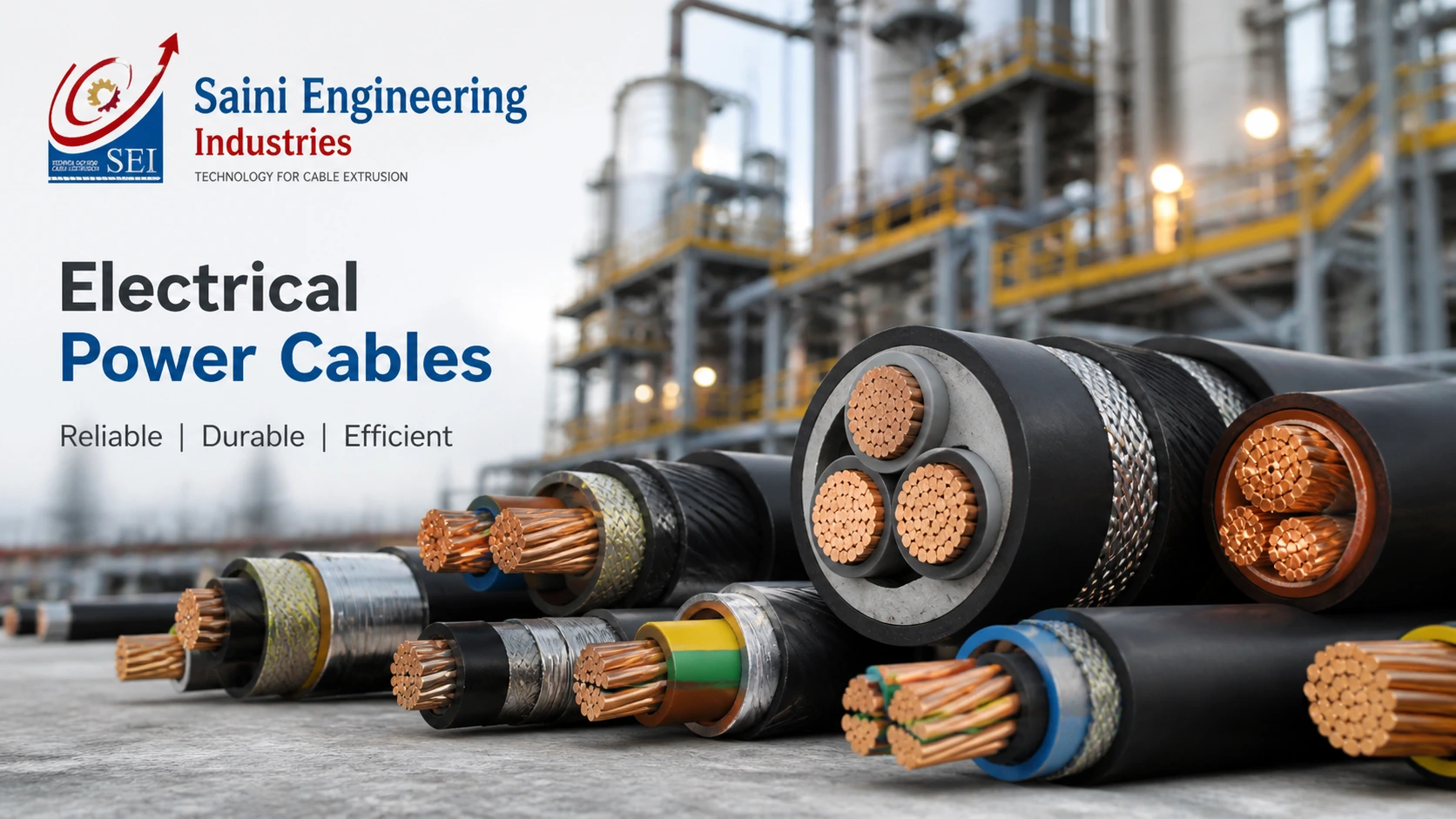
The Different Types of Electrical Power Cables create essential functions which guarantee safe electrical distribution throughout residential areas, commercial establishments, and industrial facilities. The process of selecting the appropriate solution becomes easier for users after they learn about the Different Types of Electrical Power Cables because it enables them to choose the best solution for their requirements, which will enhance their operational results and service lifespan.
Electricity serves as the foundation for contemporary existence because it provides power to all devices, which range from basic home appliances to sophisticated industrial equipment. All industries depend on reliable electrical systems because they need power to operate their various activities, which include lighting up homes and running large production facilities. The performance of an electrical system depends on two factors, which include the selection of cables and their quality.
The selection of Electrical Power Cables requires more than basic technical knowledge because it affects three crucial factors, which include energy efficiency and system longevity, and user protection. A poorly selected cable can lead to power losses, overheating, and frequent breakdowns, which create dangerous electrical situations. The appropriate cable for electrical systems delivers stable power distribution and decreases maintenance expenses while extending the operational lifetime of electrical devices.
What Are Electrical Power Cables?
Electrical power cables function as electrical conductors that transmit electricity between different locations. The structure of these cables includes multiple conductors together with insulation materials and protective outer layers. Each layer functions as an essential component that provides safe electricity transmission while stopping energy loss and shielding against environmental threats.
Power cables serve multiple purposes because they connect residential electrical systems with commercial buildings and industrial sites, and electrical distribution systems. The selection of an appropriate cable type assists in achieving optimal energy transmission while decreasing potential hazards, which include overheating and electrical failures.
Understanding Basic Cable Terminology
When exploring the world of cables, you will often come across terms like lt cable full form and ht cable full form. Understanding these terms is essential before selecting any cable.
- LT Cable Full Form: Low Tension Cable, typically used for voltage levels up to 1kV
- HT Cable Full Form: High Tension Cable, used for higher voltage applications, generally above 1kV and up to 33kV or more
The various types of cables available in the market exist because their different applications require distinct structural designs and operational voltage limits. Different cable types exist to fulfill particular installation needs, which include home wiring, industrial machinery operations, and underground cable work. People who search for all types of cable do so because they want to learn about all available options and understand which cable type suits various purposes.
Electrical Power Cables Specifications Table
| Parameter | LT Cables (Low Tension) | HT Cables (High Tension) | Armoured Cables | Flexible Cables |
|---|---|---|---|---|
| Voltage Range | Up to 1 kV | 1 kV to 33 kV (or higher) | Depends on LT/HT type | Up to 1 kV |
| Conductor Material | Copper / Aluminium | Copper / Aluminium | Copper / Aluminium | Mostly Copper |
| Insulation Type | PVC / XLPE | XLPE | PVC / XLPE | PVC / Rubber |
| Protection Layer | Basic Insulation | Heavy Insulation | Steel/Aluminium Armouring | Light Insulation |
| Flexibility | Moderate | Low | Low | High |
| Durability | Good | Very High | Excellent | Moderate |
| Installation Type | Indoor / Outdoor | Outdoor / Industrial | Underground / Harsh Conditions | Indoor / Portable Use |
| Temperature Resistance | Up to 70°C – 90°C | Up to 90°C – 110°C | High | Moderate |
| Mechanical Strength | Medium | High | Very High | Low |
| Common Applications | Homes, offices, lighting | Industries, power distribution | Underground wiring, construction sites | Steel/Aluminum Armouring |
Major Types of Electrical Power Cables
Let’s explore the most commonly used Electrical Power Cables and their applications:
1. Low Tension (LT) Cables
LT cables are widely used in residential and small commercial applications. These cables are designed for low-voltage transmission and are easy to install.
Features:
- Lightweight and flexible
- Cost-effective
- Suitable for short-distance power distribution
Applications:
- Home wiring
- Lighting systems
- Small offices
2. High Tension (HT) Cables
HT cables are used for transmitting electricity at higher voltage levels. These cables are designed with strong insulation to handle heavy electrical loads.
Features:
- High voltage capacity
- Durable insulation
- Suitable for long-distance transmission
Applications:
- Industrial plants
- Power stations
- Large commercial buildings
3. Armoured Cables
Armoured cables are designed with an additional protective layer made of steel or aluminum. This layer protects the cable from physical damage.
Features:
- High mechanical strength
- Resistant to external damage
- Long lifespan
Applications:
- Underground installations
- Outdoor environments
- Construction sites
4. Unarmoured Cables
Unarmoured cables do not have an extra protective layer, making them lighter and more flexible.
Features:
- Easy to handle and install
- More flexible than armoured cables
- Suitable for indoor use
Applications:
- Indoor wiring
- Electrical panels
- Control systems
5. Flexible Cables
Flexible cables are designed for applications where movement and bending are required.
Features:
- High flexibility
- Durable insulation
- Resistant to wear and tear
Applications:
- Household appliances
- Portable equipment
- Extension cords
6. Coaxial Cables
These cables are mainly used for transmitting signals rather than power, but are still an important category.
Applications:
- Television connections
- Internet systems
7. Control Cables
Control cables are used in automation systems to control machinery and equipment.
Applications:
- Industrial automation
- Control panels
- Manufacturing units
Key Factors to Consider When Choosing Power Cables
Selecting the right cable requires careful consideration of several factors:
1. Voltage Rating
Always choose a cable that matches the voltage requirements of your system. Using the wrong voltage cable can lead to serious safety hazards.
2. Current Carrying Capacity
Ensure the cable can handle the electrical load without overheating.
3. Environmental Conditions
Consider factors like temperature, moisture, and exposure to chemicals. For harsh environments, armoured cables are a better choice.
4. Installation Type
Decide whether the cable will be installed underground, overhead, or indoors.
5. Flexibility Requirements
For movable equipment, flexible cables are essential.
Benefits of Using the Right Power Cable
Choosing the correct cable type offers several advantages:
- Safety: Reduces the risk of electrical accidents
- Efficiency: Ensures smooth power transmission
- Durability: Increases the lifespan of electrical systems
- Cost-Effective: Minimizes maintenance and replacement costs
- Performance: Enhances overall system reliability
Common Mistakes to Avoid
Many users make mistakes while selecting cables, which can lead to serious issues:
- Ignoring voltage ratings
- Choosing cheaper but low-quality cables
- Not considering environmental conditions
- Using the wrong type of insulation
- Overloading cables beyond capacity
Avoiding these mistakes ensures better safety and long-term performance.
Why Choose Saini Engineering Industries?
Saini Engineering Industries delivers electrical solutions which fulfill contemporary requirements for both industrial and residential applications. Our expertise lies in understanding customer requirements and providing reliable, durable, and efficient cable solutions.
We focus on:
- Premium quality materials
- Advanced manufacturing standards
- Long-lasting performance
- Customer satisfaction
Whether you need cables for home use or large industrial applications, Saini Engineering Industries ensures you get the best solution tailored to your needs.
Conclusion
The electrical system requires electrical power cables as an essential part of its operation. The system requires both LT cables for residential use and HT cables, which provide electricity to industrial facilities. Through your knowledge of various cable types and their characteristics and their suitable uses, you will gain the ability to make better selection choices.
The correct cable selection process enables you to achieve enhanced operational performance while maintaining safety standards and product longevity. Saini Engineering Industries provides you with reliable expertise to help you select the most suitable electrical solutions for your specific needs.