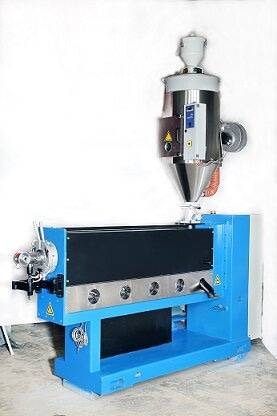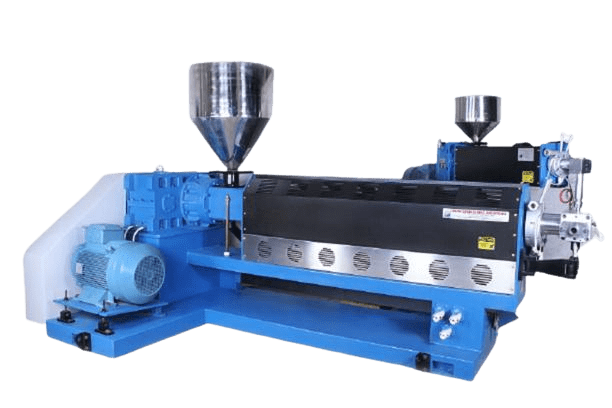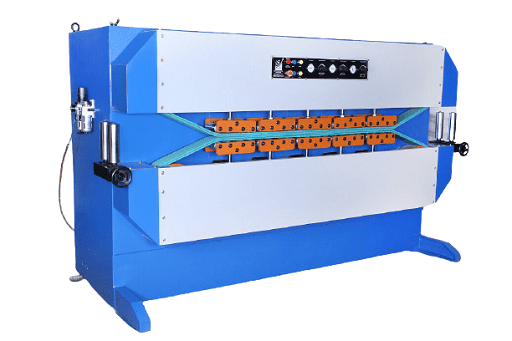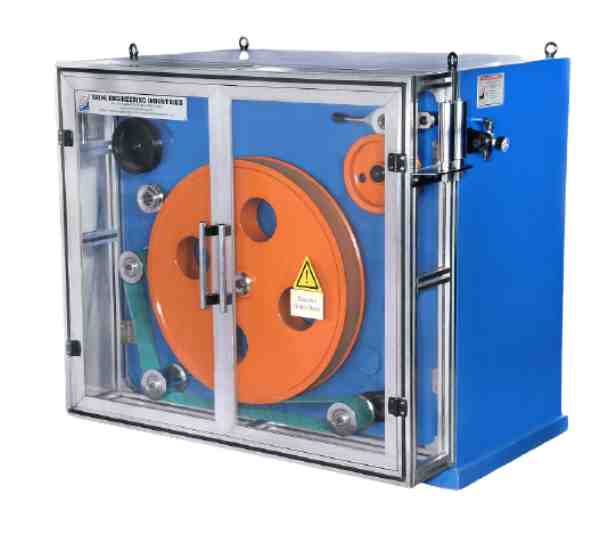
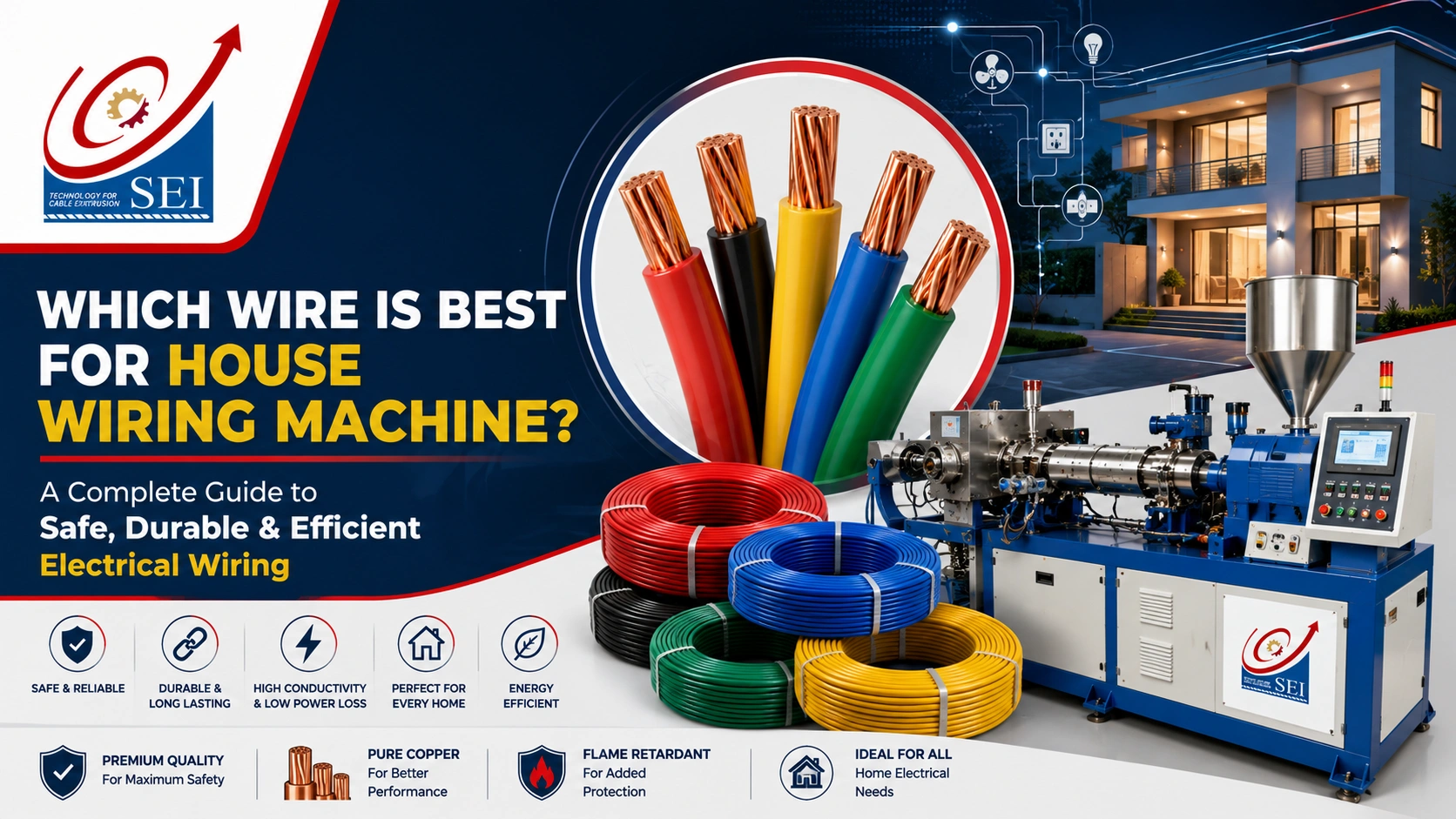
House Wiring Machine forms the base of all homes today. All the electrical installations, such as lighting systems, fans, ACs, fridges, and any other intelligent home devices, depend on the house wiring machine. Therefore, when considering wire selection, it goes beyond just powering your household electrical devices, but more importantly, it should be geared towards safety, efficiency, and reliability.
One question that often comes up is, which wire is best for use at home? There are many aspects to consider in answering this question, such as wire quality, conducting material, insulation type, and load rating of your house, among others. The right wiring plan helps minimise energy loss, eliminates risks associated with electrical faults, and ensures an uninterrupted electrical power supply.
Saini Engineering Industries recognises the significance of electrical infrastructure in creating a comfortable living space. In this article, we will learn more about the best wire for home applications and ensure a robust electrical system.
Which Wire Is Best for House Wiring Machine
Wire selection is critical for ensuring safety and efficiency in any electrical installation. Copper wires are known as the best material for house wiring due to their outstanding conductivity, longevity, and strength.
It is recommended by Saini Engineering Industries that one choose electrical wires that have good insulation and high current-carrying capabilities. Quality house wiring not only performs well but also ensures that all electrical devices in a building are safeguarded against fluctuations in voltage.
In modern days, the need for wires that will be able to resist heat, water, and usage over an extended period is highly essential. One’s investment in quality electrical wires not only guarantees his/her safety but also makes the electrical system more effective.
Saini Engineering Industries assists both individual and business owners in choosing the best wires for their electrical needs.
Why Choosing the Right House Wiring Wire Matters
Electric wires ensure the transmission of electricity within your household. Using sub-standard wires may cause overheating, voltage losses, electrical leaks, and fires. There are various advantages to using the best electric wire at home:
- Enhanced electrical safety
- Better conductivity and efficiency
- Reduced maintenance costs
- Longer service life
- Protection against short circuits
- Improved energy efficiency
A good wiring system not only protects your appliances but also ensures the safety of your family.
Understanding House Electrical Wiring
The term house electrical wiring refers to the complete network of wires, switches, distribution boards, and protective devices installed inside a residential property.
A typical home electrical system includes:
Main Power Supply
The primary source of electricity entering the house.
Distribution Board
Distributes power to different circuits within the home.
Circuit Wiring
Carries electricity to individual rooms and appliances.
Earthing System
Protects against electrical faults and leakage currents.
When these components work together with high-quality wiring, the entire home electrical system becomes more reliable and efficient.
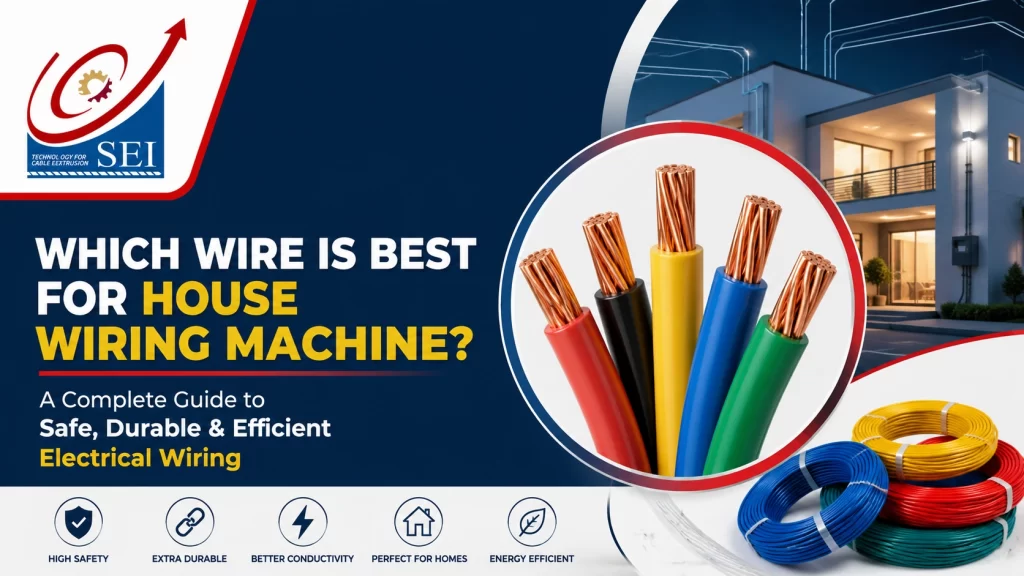
Copper vs Aluminum: Which Wire Is Best for Home Wiring?
One of the most common questions homeowners ask is, ” Which wire is best for home wiring: copper or aluminium?
Copper Wires
Copper is considered the industry standard for residential wiring due to its superior conductivity and durability.
Advantages of Copper Wires
- Excellent electrical conductivity
- High tensile strength
- Greater flexibility
- Better resistance to corrosion
- Long operational life
Because of these advantages, copper wires are widely regarded as the best wire for home wiring.
Aluminum Wires
Aluminium wires are lighter and less expensive than copper.
Advantages of Aluminum Wires
- Cost-effective
- Lightweight
- Suitable for large-scale power transmission
Limitations
- Lower conductivity compared to copper
- Higher expansion and contraction rate
- Requires special connectors
For residential applications, copper remains the preferred choice and is often considered the best wire for house wiring.
Importance of Wire Insulation
The conductor is only one part of a wire. The insulation covering is equally important.
Modern electrical wires use advanced insulation materials such as:
PVC Insulation
PVC-insulated wires are widely used because they offer:
- Heat resistance
- Moisture protection
- Cost-effectiveness
- Durability
FR Wires (Flame Retardant)
These wires reduce the spread of fire and are recommended for residential installations.
FRLS Wires (Flame Retardant Low Smoke)
These wires emit less smoke during fire incidents, improving safety.
HRFR Wires
Heat-resistant flame-retardant wires can withstand higher temperatures and are ideal for modern homes with heavy electrical loads.
For maximum safety, FRLS and HRFR wires are often recommended as the best electric wire for home installations.
Understanding House Wiring Wire Size
Selecting the correct house wiring wire size is essential for safe electrical operation.
Different appliances require different wire thicknesses to handle electrical loads effectively.
Typical Wire Sizes for Residential Use
1.5 sq mm Wire
Used for:
- LED lights
- Ceiling fans
- Small lighting circuits
2.5 sq mm Wire
Used for:
- Power sockets
- Small appliances
4 sq mm Wire
Used for:
- Air conditioners
- Refrigerators
- Washing machines
6 sq mm Wire
Used for:
- Water heaters
- Heavy-duty appliances
10 sq mm and Above
Used for:
- Main electrical supply lines
- High-capacity loads
Choosing the correct house wiring wire size prevents overheating and ensures efficient current flow.
Home Wiring Wire Size Selection Guide
Proper home wiring wire size selection depends on:
Electrical Load
Higher power consumption requires thicker wires.
Distance
Longer wire runs may need larger wire sizes to minimise voltage drop.
Future Expansion
Always consider future electrical requirements when designing a wiring system.
Safety Standards
Ensure the selected wire complies with national electrical safety regulations.
Professional electricians often calculate load requirements before recommending the appropriate home wiring wire size.
Features of the Best Wire for Home
When purchasing electrical wires, look for the following qualities:
High Conductivity
Ensures efficient power transmission.
Pure Copper Conductor
Provides better performance and longer life.
Heat Resistance
Prevents damage from temperature fluctuations.
Flame Retardant Properties
Improves fire safety.
Durable Insulation
Protects against moisture and mechanical damage.
Compliance with Standards
Choose wires that meet recognised safety and quality standards.
These features help identify the best wire for home installations.
Common Mistakes to Avoid During Home Wiring
Even high-quality wires can perform poorly if installed incorrectly.
Using Undersized Wires
This can cause overheating and electrical failures.
Ignoring Earthing
Proper grounding is essential for safety.
Overloading Circuits
Connecting too many appliances to a single circuit increases risk.
Using Low-Quality Accessories
Switches, sockets, and connectors should match the quality of the wiring system.
Poor Installation Practices
Always hire qualified electricians for home electrical installations.
Signs Your Home Wiring Needs Replacement
Older wiring systems may become unsafe over time.
Watch for these warning signs:
- Frequent circuit breaker trips
- Burning smell near outlets
- Flickering lights
- Warm switches and sockets
- Visible wire damage
- Electrical shocks
If any of these issues occur, consult a professional electrician immediately.
How Modern Home Wiring Improves Energy Efficiency
Modern home wiring systems help reduce power losses through:
- Better conductor materials
- Improved insulation technology
- Proper load distribution
- Reduced resistance
As a result, homeowners experience lower electricity bills and improved appliance performance.
Why Quality Wiring Is a Long-Term Investment
Many homeowners focus only on the initial cost of electrical wires. However, quality wiring offers significant long-term benefits:
- Reduced maintenance expenses
- Enhanced safety
- Better appliance protection
- Increased property value
- Improved energy efficiency
Choosing the best wire for house wiring may cost slightly more initially, but it delivers substantial savings and peace of mind over time.
Conclusion
The selection of the best wire for home wiring to be used for wiring within a house is arguably one of the most crucial tasks during the construction of a new house or the renovation of an existing one. The perfect choice of a wire is that which is conductive, well-insulated, resistant to heat, and meets safety requirements. According to general practice, copper wires with superior insulation properties are regarded as the best wire for home wiring
As much as it is critical to choose the best wire for your home, it is equally important to understand the house wiring wire size and home wiring wire size. Properly designed house electrical systems not only protect your gadgets but also your loved ones from any electrical dangers.
At Saini Engineering Industries, our primary goal is to provide homeowners with quality electrical infrastructure. We are committed to delivering top-notch electrical services, guaranteeing you reliable performance.