Power cables are some of the crucial components in modern electrical infrastructure. Whether it is industrial plants, buildings, substations, renewable energy systems, utilities, or even underground distribution lines, correct selection of a cable is the way to ensure electricity travels through safely and reliably to its destination. However, choosing a cable does not just include selection of the conductor and its fitting. Factors such as voltage, current capacity, insulation, installation environment, mechanical strength, thermal conditions, and application will ultimately determine the right selection.
It helps to know about the types of cables available on the market when choosing a cable to use. Since applications vary from one type of project to another, construction, insulation, conductor material and level of protection required vary accordingly. What can be used in an indoor control panel cannot be applied in underground power transmission system; likewise, a cable suitable for distribution system cannot be used in high voltage industrial settings.
Here, we will discuss the major types of cables in a power system network along with their construction, application, advantages and the important factors in their selection.
What Is a Power Cable?
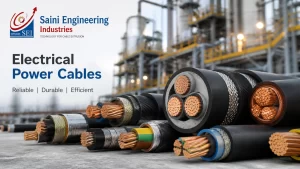
A power cable is an electrical cable made to transfer or distribute electrical energy between two locations. Power cables comprise one or several conductors wrapped in insulation. Depending on the application, the cables can have added elements like metallic screens, armouring, bedding, fillers, and outer sheath.
The conductors are mostly made of copper and aluminum, since they are electrical conductors. The insulations are added on the outside of the conductors to avoid any kind of leakage or electrical contacts. The outer sheath acts to protect the cables from various environmental elements.
In researching different types of power cables, it is vital to remember that there is no one cable suited for all applications. Designs vary according to the type of voltage, mode of installation, environmental elements, loads, etc.
Why Understanding the Types of Cable Matters
Choosing the correct cable can directly influence the reliability and safety of an electrical system. An incorrectly selected cable may overheat, experience excessive voltage drop, suffer insulation damage, or fail prematurely.
The major reasons for understanding the types of cable include:
- Improving electrical safety and reliability.
- Selecting the appropriate voltage rating.
- Managing current-carrying capacity.
- Reducing unnecessary energy losses.
- Improving the service life of electrical installations.
- Matching cables with indoor, outdoor, underground, or industrial environments.
- Controlling voltage drop over long distances.
- Selecting suitable mechanical protection.
- Supporting efficient maintenance and replacement.
- Meeting applicable electrical standards and project requirements.
For engineers, contractors, and industrial users, knowledge of the types of cables in power system is particularly important because cable selection directly affects the performance of distribution and transmission networks.
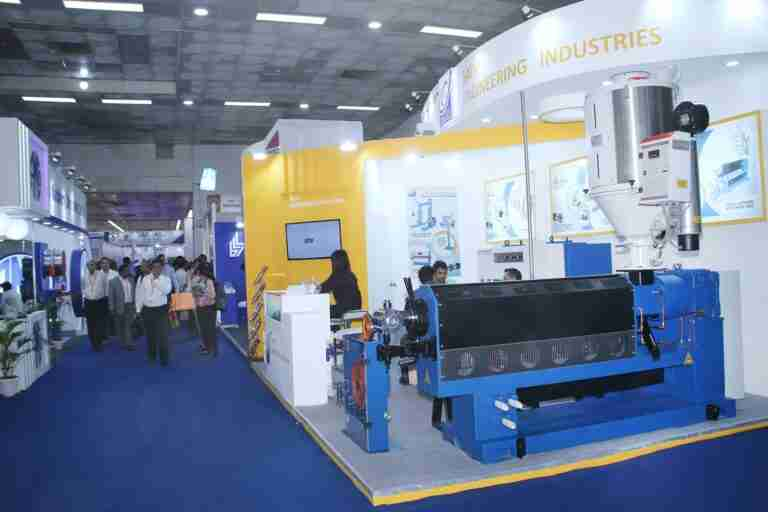
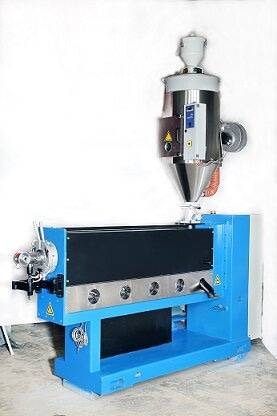
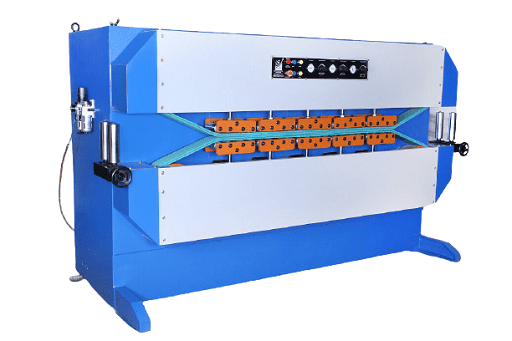
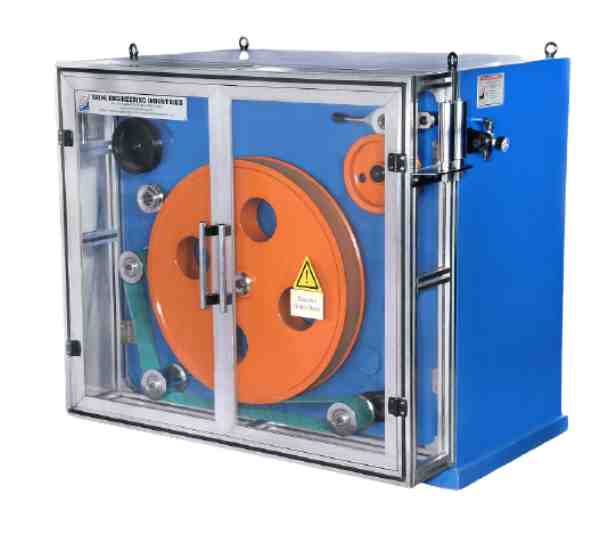
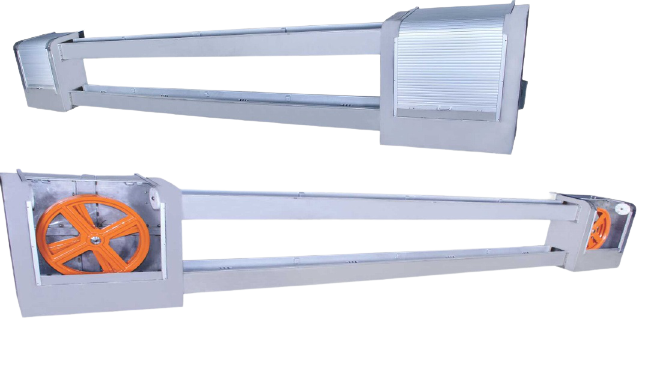
Different Types of Power Cables Machine
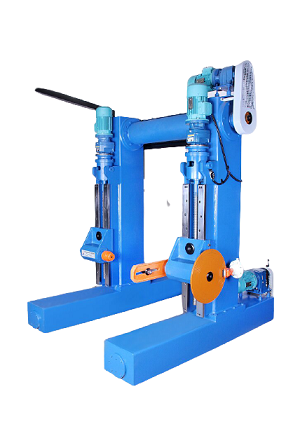
Various Types of Power Cables Machine plays a critical role in ensuring efficient and precise power cable manufacturing. The machine helps in producing different types of power cables through effective manufacturing procedures that help the conductors acquire good insulation, proper conductor dimension and effective finishing. Being built with advanced technology and robustness, the machine ensures efficiency, effectiveness, quality and dimensional precision during manufacturing. It is the perfect machine that enables a manufacturer to ensure effective manufacture and performance of the produced cable.
Power cable production needs different types of machinery that can ensure efficient operation. With this, the modern cable machine has been built to facilitate efficient manufacture at every stage, right from conductor operation, conductor insulation, cabling and finishing. It ensures effective and durable cables that can endure various electrical situations.
Major Types of Power Cables
There are several ways to classify power cables. They can be categorized according to conductor material, voltage level, insulation material, number of cores, construction, installation method, and application.
Some commonly used types of power cables include:
1. Single-Core Power Cables
A single-core cable contains one electrical conductor with its insulation and protective layers. These cables are widely used in electrical panels, industrial systems, distribution installations, and high-current applications.
Single-core designs can be useful where separate phase conductors are required. Their selection depends on current rating, voltage, installation method, ambient temperature, and permissible voltage drop.
2. Multi-Core Power Cables
Multi-core cables contain two or more insulated conductors within a common protective sheath. Depending on the application, they may be manufactured as two-core, three-core, four-core, or other configurations.
They can simplify installation because several conductors are combined into a single cable. Multi-core cables are commonly used in distribution systems, machinery, industrial installations, and commercial electrical networks.
3. Low-Voltage Power Cables
Low-voltage cables are designed for electrical systems operating within low-voltage ranges. They are extensively used in buildings, factories, commercial facilities, control systems, and local distribution networks.
The conductor size is selected according to load current, installation conditions, voltage drop, and applicable standards. PVC and XLPE are common insulation choices depending on project requirements.
4. Medium-Voltage Power Cables
Medium-voltage cables are designed for distribution networks and industrial electrical systems operating at higher voltage levels than conventional building circuits.
These cables typically incorporate specialized insulation and screening systems to control electrical stress. Proper installation, termination, jointing, and testing are especially important for medium-voltage systems.
5. High-Voltage Power Cables
High-voltage cables are used for demanding transmission and distribution applications. They require carefully engineered insulation systems capable of handling high electrical stress.
These cables may include conductor screens, insulation screens, metallic screens, and protective outer layers. Their installation requires specialized engineering practices, appropriate accessories, and testing procedures.
Types of Cables in Transmission and Distribution
The electrical grid depends on cables and conductors designed for different stages of power delivery. Understanding the types of cables in transmission and distribution helps explain why cable construction changes as electricity moves from generating stations to end users.
Transmission systems generally handle large quantities of electrical power over long distances. Distribution systems then deliver electricity to industrial, commercial, and residential consumers.
The types of cables in transmission and distribution can differ based on voltage level, route conditions, installation method, fault requirements, and environmental exposure.
Common categories include:
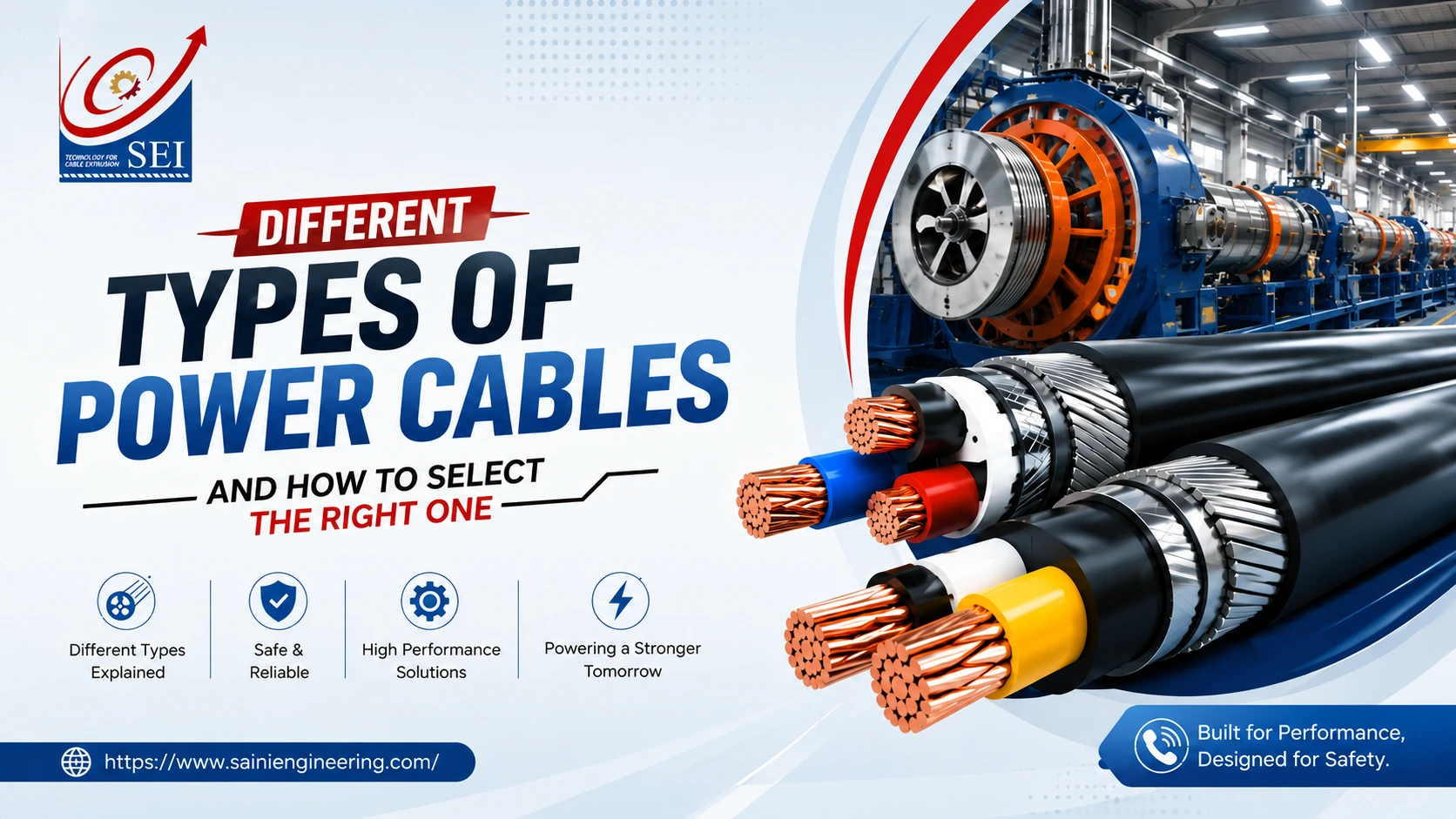
- Underground power cables.
- Medium-voltage distribution cables.
- High-voltage cables.
- Extra-high-voltage cable systems.
- Armoured power cables.
- Unarmoured power cables.
- Single-core transmission cables.
- Multi-core distribution cables.
The selection among these types of cables in transmission and distribution depends heavily on the network design and operating conditions.
Armoured Power Cables
Armoured cables contain an additional metallic layer designed to provide mechanical protection. This construction is particularly useful where cables may face impact, pressure, digging activity, or other mechanical hazards.
Armouring can be especially beneficial for underground installations and industrial environments.
Typical advantages include:
- Better mechanical protection.
- Improved resistance to external damage.
- Suitability for demanding installation environments.
- Greater protection during underground installation.
- Improved durability in industrial applications.
However, armouring adds weight and can influence installation requirements. Therefore, it should be selected based on actual site conditions rather than simply choosing the most heavily protected option.
Unarmoured Power Cables
Unarmoured cables do not include a metallic armour layer. They are commonly used in locations where significant mechanical protection is not required or where the cable is installed inside protected routes such as conduits, ducts, trays, or enclosed systems.
They can offer easier handling and installation compared with heavily armoured alternatives.
Copper vs Aluminium Power Cables
One of the most important decisions when evaluating types of power cables is conductor material.
Copper Conductors
Copper offers excellent electrical conductivity and good mechanical properties. Copper cables can provide efficient current transmission and are widely used in industrial and commercial applications.
Advantages include:
- High electrical conductivity.
- Good mechanical strength.
- Reliable connections.
- Compact conductor size for comparable current ratings.
- Good resistance to certain installation stresses.
Aluminium Conductors
Aluminium is lighter and generally offers a cost-effective solution for many power distribution applications. Because aluminium has lower conductivity than copper, a larger conductor cross-section may be required for the same current-carrying capability.
Advantages include:
- Lower weight.
- Cost advantages in many applications.
- Suitable for distribution networks.
- Easier handling for certain large installations.
- Useful for long-distance electrical systems where weight matters.
The decision between copper and aluminium should consider electrical performance, installation requirements, budget, conductor size, connection technology, and project standards.
PVC and XLPE Insulated Cables
Classification of insulation becomes one more significant classification in terms of how many kinds of power cables may be found.
PVC is highly popular insulation due to its high level of flexibility and excellent characteristics of application in many low-voltage projects.
XLPE is often used in modern cable power systems because of its great thermal and electric performances. This kind of insulation is often chosen for medium and high-performance power distribution systems.
All in all, the right choice of insulation depends on temperature, voltage, environmental conditions, short circuit capacity, etc.
How Many Types of Cables Are There?
It has been asked: How many types of cables are there in electrical engineering? There is no fixed number of them as they could be classified in several ways.
For instance, how many types of cables can be identified depending upon voltage classification, type of material of the conductor, type of insulation, number of cores, armor, way of installation, or particular application.
In addition, how many types of cables are employed in power system could also depend upon particular requirements of that particular network. Several kinds of cables could be employed simultaneously in an industrial project, whereas just a few cables would be sufficient in an electrical project of minor scale.
Instead of focusing only on how many types of cables are there, therefore, it is better to know what each particular cable is meant for.
For any industrial or electrical power solution at Saini Engineering Industries, it becomes crucial to be aware of application specific electrical requirement. It should always be considered as per engineering requirement rather than simply choosing largest size cable.
Key Factors That Affect Cable Selection
The correct cable should be selected after evaluating several technical factors:
- Operating voltage.
- Maximum continuous current.
- Conductor material.
- Conductor cross-sectional area.
- Insulation type.
- Ambient temperature.
- Installation method.
- Cable length.
- Voltage drop.
- Short-circuit withstand capacity.
- Mechanical protection requirements.
- Moisture exposure.
- Chemical exposure.
- Fire and smoke requirements.
- Expected service life.
These factors help narrow down the appropriate types of cable for a specific project.
How to Select the Right Power Cable
The first step in selecting from different types of cable is to determine the electrical requirements of the installation.
1. Determine the Operating Voltage
Every cable has a defined voltage rating. The cable must be suitable for the system’s operating voltage and insulation requirements.
Using an unsuitable voltage-rated cable can compromise insulation performance and electrical safety. Therefore, voltage rating should always be one of the first selection parameters.
2. Calculate the Load Current
The cable conductor must be capable of carrying the expected current without excessive heating.
Cable sizing should consider:
- Continuous operating current.
- Starting current for motors.
- Load diversity.
- Emergency or overload conditions.
- Installation temperature.
- Grouping with other cables.
This calculation helps identify the suitable conductor cross-section.
3. Consider Voltage Drop
Voltage drop becomes particularly important when cables are installed over long distances.
Excessive voltage drop can reduce equipment performance and increase energy losses. A cable with a larger conductor cross-section may be required when the distance between the power source and load is substantial.
4. Select the Appropriate Conductor Material
Copper and aluminium are the most common choices. The decision depends on conductivity, weight, cost, installation conditions, and connection requirements.
For compact installations, copper can be attractive because of its high conductivity. For large-scale distribution networks, aluminium can offer weight and economic advantages.
5. Choose the Correct Insulation
The insulation must withstand the electrical, thermal, and environmental conditions of the installation.
Common options include PVC and XLPE, while specialized cable systems may use other insulation technologies.
The choice should consider:
- Operating temperature.
- Voltage level.
- Moisture.
- Chemical exposure.
- Flexibility requirements.
- Short-circuit conditions.
- Fire performance.
- Expected operating environment.
Types of Cables in Power System Based on Installation
The types of cables in power system can also be understood according to where and how the cable is installed.
Underground Cables
Underground cables are installed below ground in trenches, ducts, conduits, or specialized cable routes. They are often selected where overhead lines are impractical, visually undesirable, or vulnerable to environmental exposure.
Underground installation requires careful consideration of soil thermal characteristics, water ingress, mechanical protection, cable spacing, and maintenance access.
Indoor Power Cables
Indoor cables are installed inside buildings, factories, electrical rooms, cable trays, panels, and other protected environments.
The cable selection depends on the installation method, current capacity, fire requirements, temperature, and exposure to chemicals or mechanical stress.
Outdoor Power Cables
Outdoor installations expose cables to sunlight, rain, temperature variations, dust, and potentially mechanical hazards. The outer sheath and insulation system must therefore be suitable for the intended environment.
Types of Cables in Transmission and Distribution: Important Selection Considerations
In selecting among cable types used in transmission and distribution, engineers have to consider the demands of the network in terms of electrical and environmental issues.
Cable transmission systems may need higher levels of insulation, electrical stress, and special accessories. Cable distribution networks can require construction characteristics that depend on voltage class, distance, load density, and laying techniques.
As a result, cable types used in transmission and distribution may vary greatly from case to case.
Important considerations include:
- System voltage.
- Fault current.
- Load capacity.
- Route length.
- Installation depth.
- Soil conditions.
- Ambient temperature.
- Cable grouping.
- Electromagnetic considerations.
- Maintenance requirements.
Understanding the types of cables in transmission and distribution allows engineers to make better decisions about network reliability and long-term operating performance.
Why Cable Size Matters
Cable size is not selected simply according to the connected equipment’s power rating. It must be evaluated using several engineering parameters.
A cable that is too small may experience excessive heating and voltage drop. On the other hand, unnecessarily oversized cables can increase material and installation costs.
Proper cable sizing balances:
- Current-carrying capacity.
- Voltage drop.
- Short-circuit withstand.
- Installation conditions.
- Temperature.
- Future load requirements.
- Economic considerations.
This is one reason why professional guidance is valuable when comparing different types of power cables.
Cable Selection for Industrial Applications
Industrial environments can be considerably more demanding than ordinary building installations. Cables may be exposed to vibration, oil, chemicals, heat, dust, moisture, heavy machinery, and mechanical impact.
For industrial applications, the appropriate cable may need:
- Strong mechanical protection.
- Appropriate insulation.
- Oil or chemical resistance.
- High-temperature capability.
- Suitable flexibility.
- Fire-performance characteristics.
- Strong outer sheathing.
- Appropriate armour where required.
At Saini Engineering Industries, industrial requirements should be evaluated carefully before selecting electrical components or cable solutions. A professional approach helps ensure that the selected product matches the actual working environment.
Common Cable Selection Mistakes to Avoid
Even when users understand the major types of cable, mistakes can occur during selection.
Choosing Only by Price
The cheapest cable may not provide the required electrical or mechanical performance. The initial purchase price should be evaluated alongside service life, energy losses, maintenance, and reliability.
Ignoring Voltage Drop
Long cable runs can experience significant voltage drop. Ignoring this factor can lead to poor equipment performance.
Selecting an Incorrect Insulation
The insulation must be suitable for the operating temperature, voltage, environment, and installation method.
Ignoring Installation Conditions
A cable installed underground experiences different conditions from one installed inside a ventilated cable tray. Installation method directly affects thermal performance and current-carrying capacity.
Using Inappropriate Mechanical Protection
Cables installed in areas exposed to impact, crushing, or excavation activity may require additional protection.
Ignoring Future Expansion
Industrial facilities frequently expand their electrical loads. Considering potential future requirements can prevent expensive cable replacement later.
How Many Types of Cables Should You Consider?
If one wonders what number of cable types should be taken into account when planning a particular project, the answer will depend on the particular electrical system.
In a small commercial setup, there will be no need to look at too many varieties, whereas an industrial or infrastructural construction will entail quite a few kinds of cable types.
Thus, when one wonders what number of types of cables should be applied, this information should be determined only after analyzing the electrical system in full detail.
Moreover, wondering about the number of types of cables currently available on the market is also an unhelpful piece of information when choosing cable constructions since types of cable overlaps each other.
One type can be classified as the copper, XLPE insulated, armored, three-core, medium voltage cable.
A Practical Cable Selection Checklist
Before finalizing any cable, review the following points:
- Confirm the system voltage.
- Calculate the maximum load current.
- Determine the required conductor size.
- Select copper or aluminium.
- Check permissible voltage drop.
- Select suitable insulation.
- Evaluate ambient temperature.
- Check installation conditions.
- Consider cable grouping and heat dissipation.
- Evaluate mechanical protection requirements.
- Check short-circuit withstand capability.
- Consider moisture and chemical exposure.
- Review fire and smoke requirements.
- Consider future load expansion.
- Verify applicable standards and project specifications.
This checklist makes it easier to compare different types of cables in power system and identify the most appropriate solution.
Final Thoughts
Electrical distribution power cables are essential for safe and efficient transmission of electric power. Applications for power cables range from simple low-voltage building wiring to sophisticated transmission networks; all have varying requirements.
Knowledge of major cable types, materials of conductors, cable insulation, voltage classification, and method of installation forms a very good base for the decision-making process. Selection should always be made based on cable type suitability to particular application, but not only on the basis of cost and availability.
Similarly, the selection of power system cable and transmission & distribution cables should also include consideration of voltage rating, current capacity, length of line, ambient temperature, installation, mechanical protection and reliability of the system.
There is no universal solution whether how many types of cables are used since there are number of parameters by which the classification of cables may be done. Knowledge about these parameters will always be more helpful than counting of cable types.
For the industrial and engineering applications Saini Engineering Industries has emphasized on importance of proper selection of product based on particular requirements. Appropriate technical evaluation helps in getting the right cable with better performance, improved safety, reduced maintenance and increased longevity of the cable.